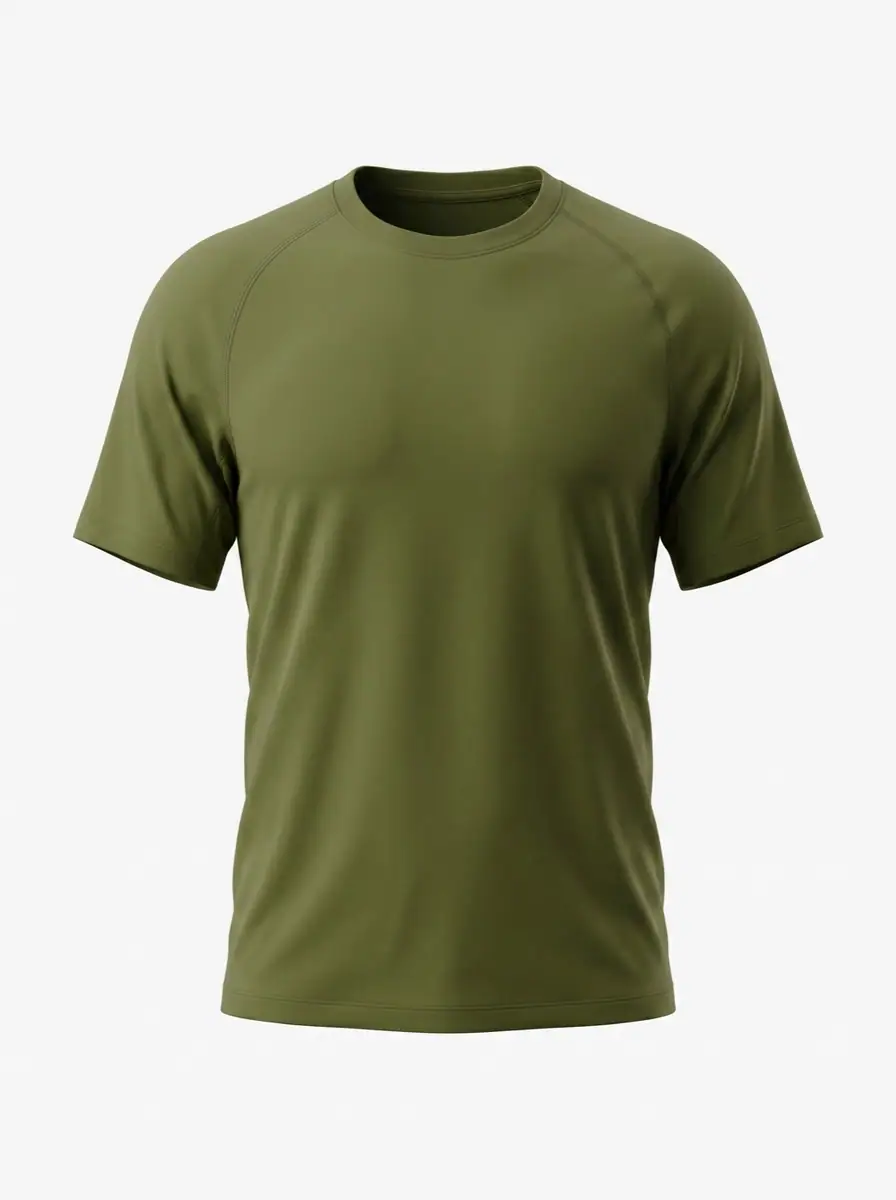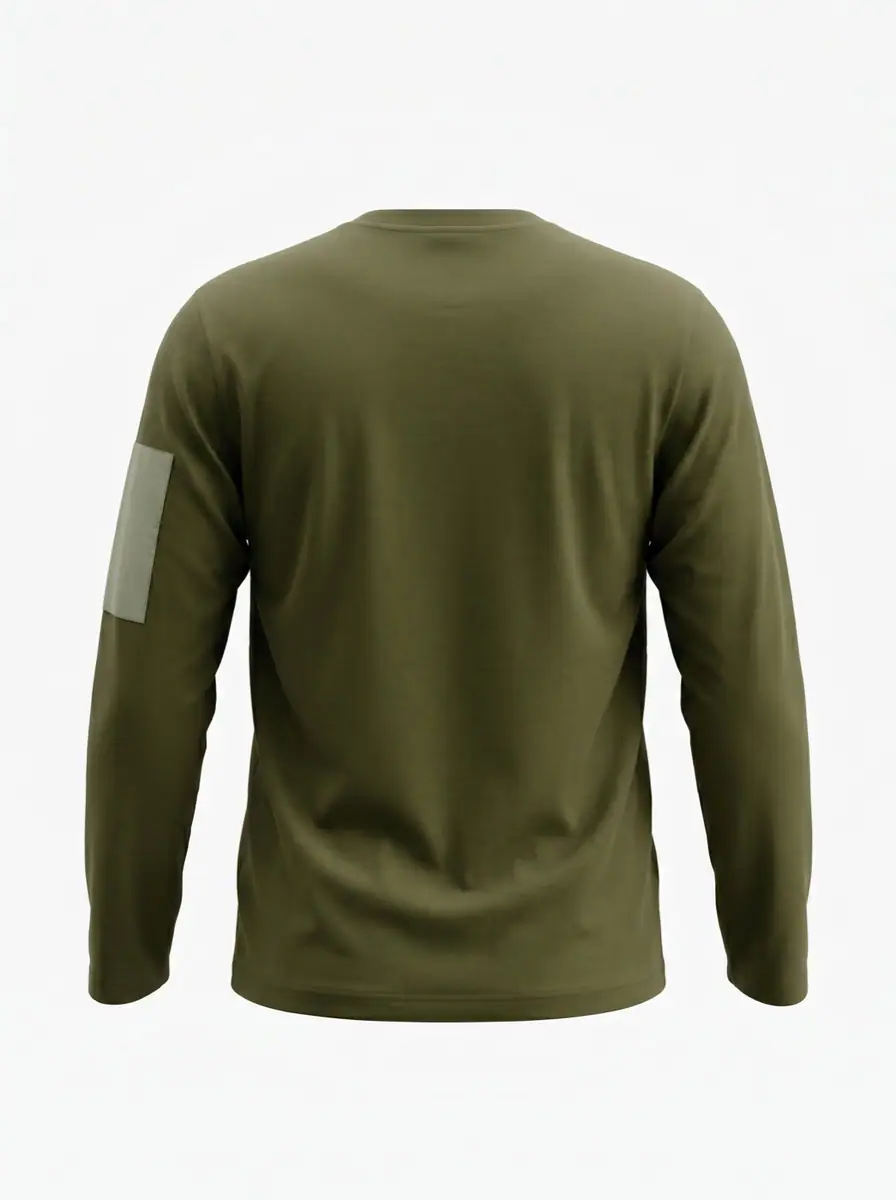
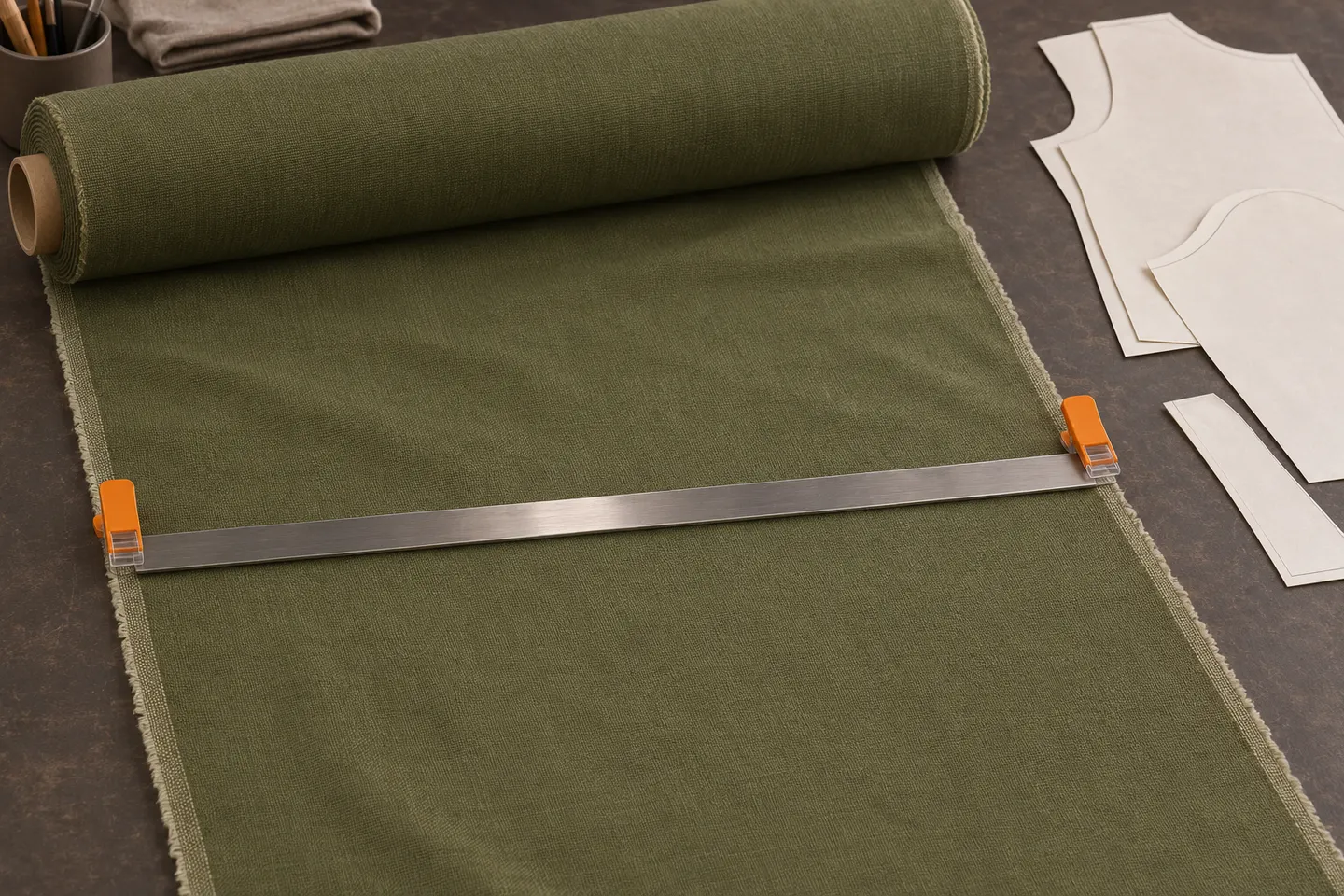
Specify the minimum width that pattern pieces can actually occupy. Then verify the delivered rolls against that width and check the pattern layout before releasing fabric to cutting. The illustration shows the concept and does not document an actual inspection.
Define the usable edges
Write separate requirements for total roll width and the minimum usable width for cutting.
Agree whether selvages, pin holes and unfinished or distorted edges must be excluded. For knitted fabric, state whether the supplier will deliver it open width or tubular and how the width will be reported.
Specify units, how the material is prepared and the measurement method. ASTM D3774 covers fabric width and usable width. Confirm the applicable edition and agreed procedure for the order.
Verify width along each roll
Record where the usable width was measured and whether any checked section falls below the agreed minimum.
Agree the number and positions of measurements, the fabric condition and how to avoid stretching it during the check. Keep the roll ID, fabric lot and results together.
If a narrow section is found, record its position and hold the affected material pending review. An average for the roll can hide a section where a pattern piece will not fit.
Check the cutting layout
Confirm that the approved pattern layout fits the verified usable width with the required cutting clearance.
Ask the supplier to review the layout with the actual size mix, grain or stretch direction and any orientation constraints. A change in width can force the pieces into a different arrangement and change consumption per garment.
Review each fabric separately for a multi-material garment. For example, a cooling shirt and a long-sleeve shirt may use different fabrics and patterns, so one layout cannot approve both.
Agree what happens if the width falls short
Hold the affected rolls and approve the disposition before cutting.
Ask for a revised layout and material estimate if the supplier proposes a narrower layout. Decide whether to segregate, replace or conditionally accept the affected material and record who approves the decision.
For a quote, send the style and pattern revision, size quantities, intended use, fabric and edge requirements, measurement method, packing requirements and evidence needed. Confirm consumption, cost and schedule against that brief.
Buyer brief checklist
- Fabric code, construction and delivery form
- Total width and minimum usable width with units
- Edge exclusions, preparation and measurement locations
- Roll ID and location of any narrow section
- Pattern revision, size mix and approved cutting layout
- Hold and release owner, revised consumption and commercial approval
Review our fabric inspection and in-house laboratory process ↗
Email the buyer specification to discuss evidence for your project ↗