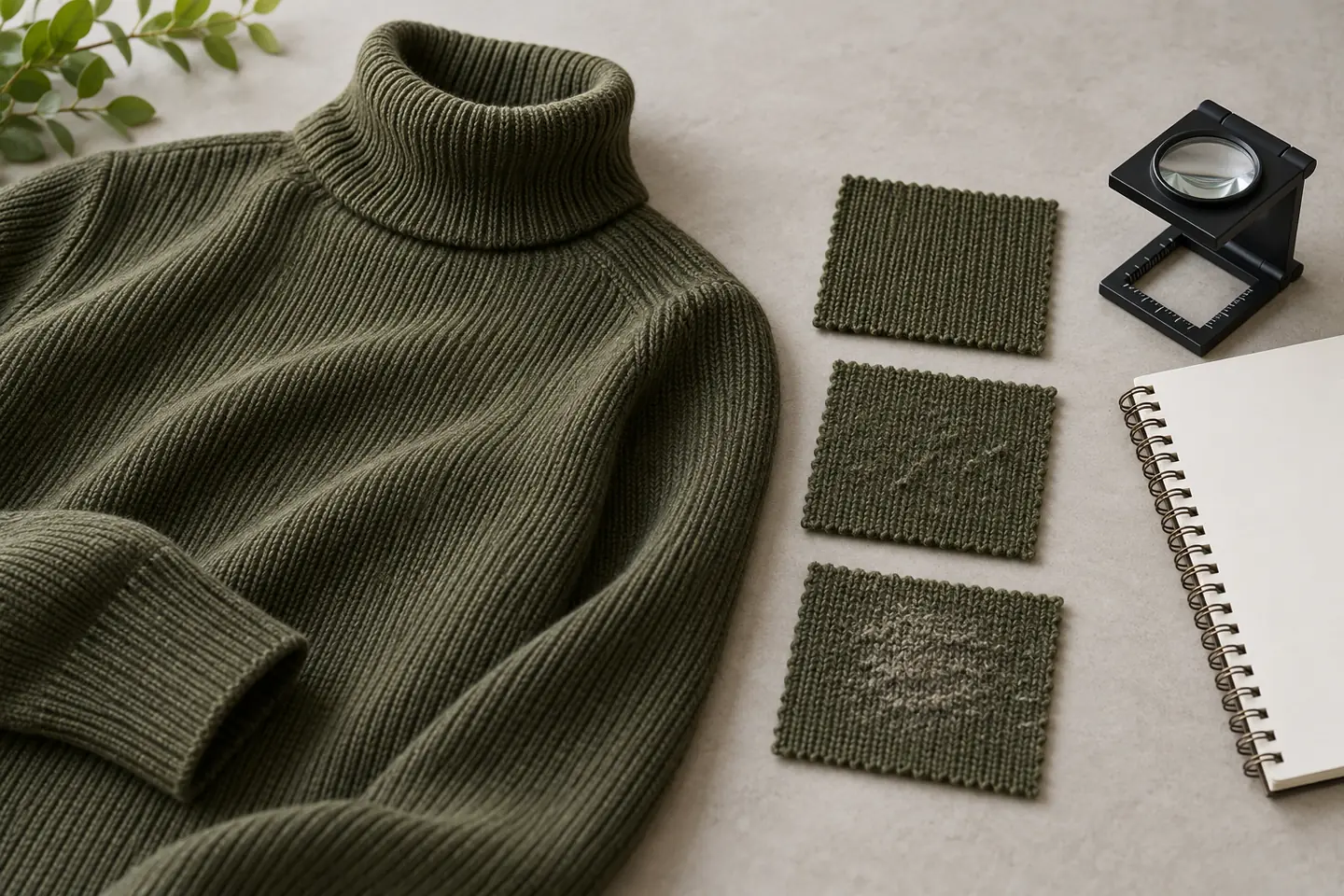
Do not approve a training sweater on yarn composition or a test name alone. Map where equipment and movement rub the garment; then agree the method, sample preparation, appearance threshold and decision owner. Pilling and abrasion are different failure modes. A swatch result does not automatically describe the finished garment. The image is an AI concept, not a test result or catalog sample.
Map friction before choosing tests
Duty cycle and contact points determine what buyers need to evaluate.
List collar, elbows, cuffs, underarm, pack straps and seat contact where relevant. State wearer activity, outer equipment, laundering and expected service conditions.
Distinguish loose pills and surface fuzz from yarn breakage, thinning and color change. Cosmetic appearance and fabric integrity are different decisions.
Agree methods and acceptance criteria
A useful requirement names the method, specimen state, exposure and grading reference.
Agree applicable pilling and abrasion methods, specimen location and direction, pre-wash state, cycles or endpoint, and judgment rule. Do not transfer a rating from one method to another.
Review knit panels and the sewn garment at high-contact areas. If an external report is required, define the laboratory and scope before sampling; internal inspection does not replace it.
Approve appearance on the garment
A passing swatch is not the complete approval reference.
Compare the garment after agreed wear or wash simulation under consistent light, with photos of the same marked locations and a retained sample. Check collar, cuff and seam behavior as well.
T1-FW004 is a unisex turtleneck and T1-FW005 a separate sweater catalog direction. Neither has a published pilling or abrasion result here. Confirm the style, yarn and knit revision for this project.
Control changes and request a quotation
The approved yarn, construction and evaluation record must follow production.
Keep the test plan, specimen IDs, photos, observations, approved sample and open deviations with revision history. A change in supplier, blend, knit density, finish or color may require repeat evaluation.
Send users, duty cycle, contact equipment, sizes, destination market, quantity and required evidence for a sample and quotation route. MOQ, price and lead time require project-specific confirmation.
Buyer brief checklist
- Wearer, duty cycle and equipment
- High-contact locations
- Separate pilling and abrasion definitions
- Methods, specimen state and exposure
- Grading and approval owner
- Finished-garment and wash review
- Approved sample, photos and revision
- Retest rule for yarn or knit changes
Review fabric and garment quality control ↗
Review the OEM sample-development route ↗
Email your sweater brief or start on WhatsApp ↗
Products connected to this solution
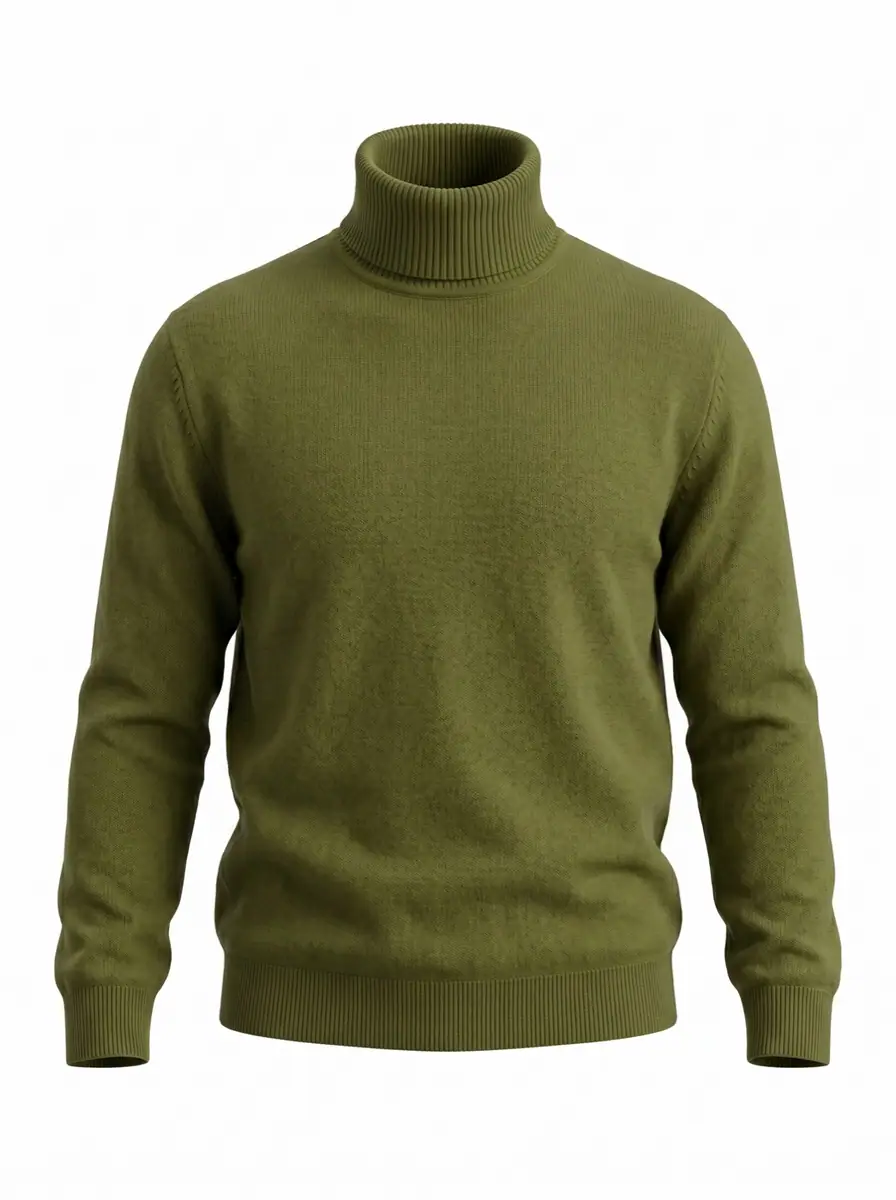 T1-FW004
Training Turtleneck Sweater
Unisex turtleneck reference for reviewing collar, cuffs and equipment-contact areas against an approved sample.
View product details ↗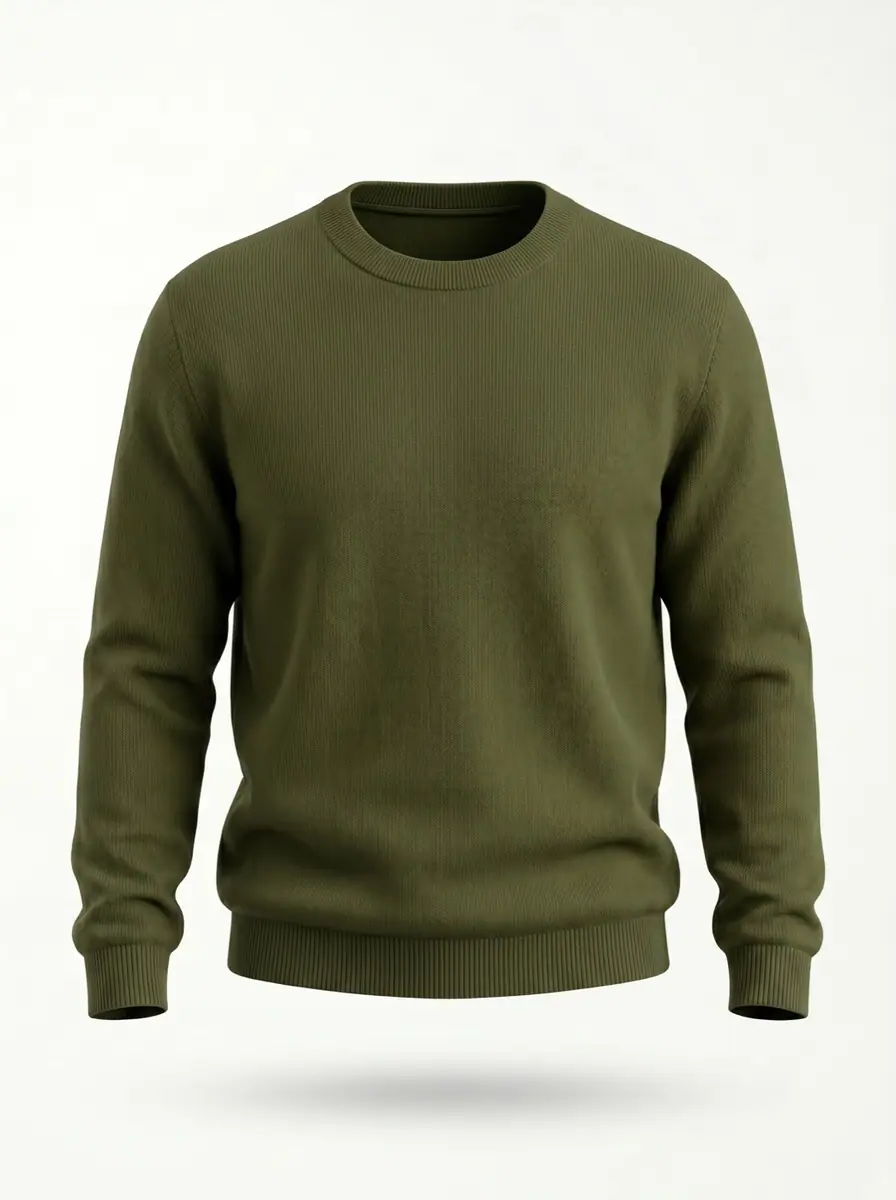 T1-FW005
Training Thermal Sweater
Separate sweater reference; buyer-specific yarn and appearance criteria require confirmation.
View product details ↗