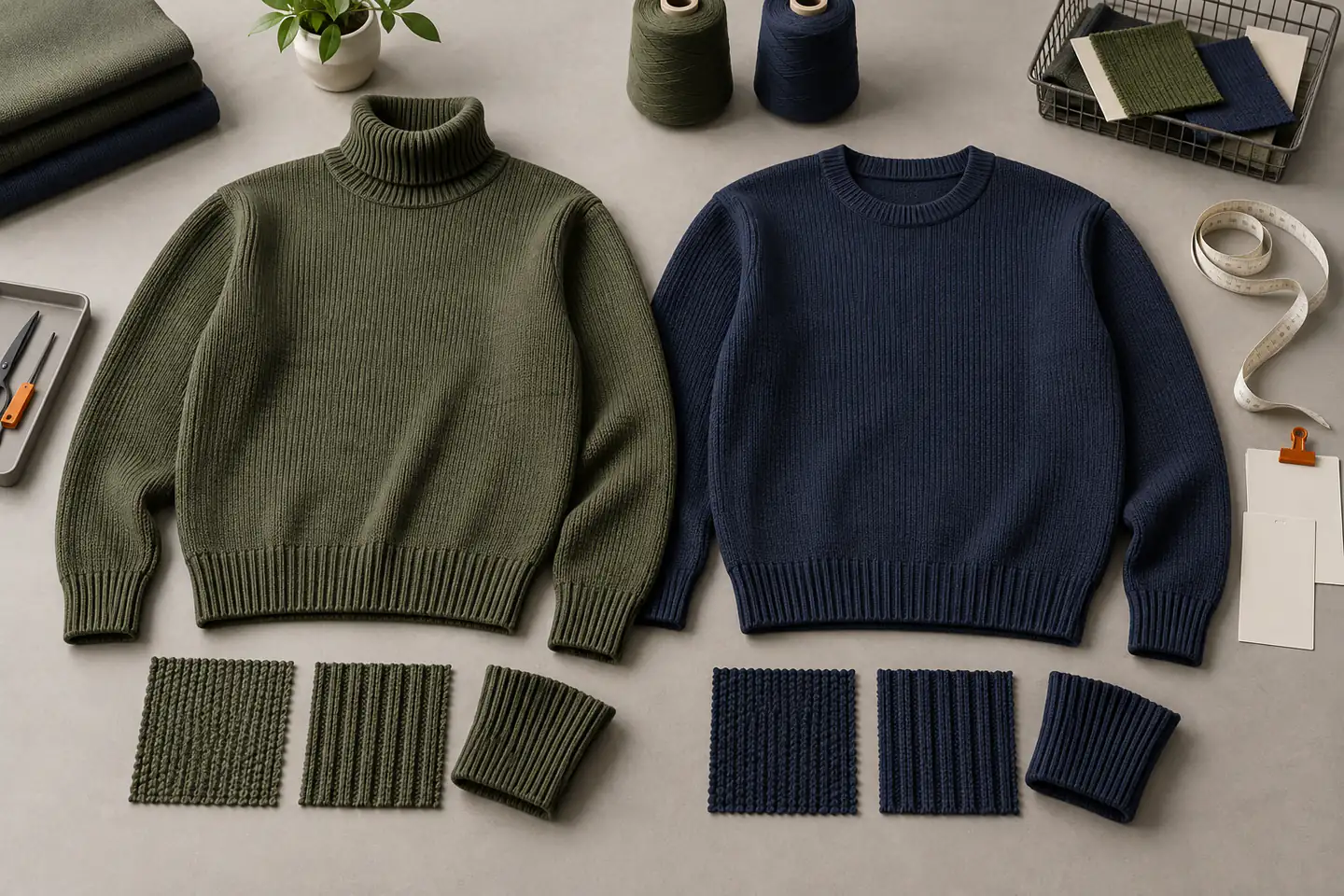
Approve a training sweater as a knitted garment system, not from fibre percentages or a colour image alone. Before bulk production, the buyer and supplier should agree the intended use, yarn and knit direction, finished measurements, rib behaviour, surface appearance, care route and retained references. Methods, tolerances, MOQ, price and lead time remain project-specific. The image is an AI-generated concept, not a supplied product, factory record or test result.
What should the buyer define before sweater development
Define the wearer, environment, layering role and visual standard before selecting yarn or knit construction.
State whether the sweater is for training, office duty, light outdoor work or use beneath another layer. Confirm silhouette, neck style, movement needs, hand feel, colour, size range, branding, packing and destination market.
Treat fibre blend, yarn count, knit density and finishing as a connected proposal. Feasibility, minimum quantities, sampling cost, price and timing must be confirmed for the actual colour and order rather than assumed from a reference product.
How should knit structure and finished measurements be approved
Approve body panels, collar, cuffs and hem as separate constructions, then verify the finished garment against one controlled measurement table.
Record the proposed knit structure and relevant yarn or material reference for each zone. Compare appearance, hand feel, opacity, drape and joining details on a representative sample; do not infer the complete garment from a small swatch alone.
Agree measurement points, sample conditioning, how the garment is laid out, size grading and project tolerances. Review neck opening, chest, body length, sleeve length, cuff and hem dimensions after the agreed relaxation or care route, without applying a universal tolerance.
How can rib recovery and surface durability be evaluated
Use a written, project-specific procedure for stretch, recovery, pilling, snagging and care instead of relying on subjective pulling by hand.
Identify which rib areas must recover after dressing and movement, how extension and recovery will be assessed, how many cycles apply and what change is acceptable. Review seam attachment and comfort as well as the rib itself.
Separate pilling, abrasion, snagging, dimensional change and colour appearance because they are different questions. Confirm the relevant method, conditioning and acceptance limit with the buyer; publish a value or pass claim only when supporting evidence applies to that material and product.
How should bulk production and repeat orders be controlled
Keep the approved garment, knit and rib references linked to material lots, production checks and any authorised change.
Retain the approved pre-production garment, measurement table, yarn or material references, colour decision, component artwork and packing instruction. Incoming materials, knitting or panel supply, assembly, finishing and final inspection should refer to the same controlled package.
Leading Protective applies 100% incoming fabric inspection and uses its in-house textile laboratory to support source-level control where applicable; this does not mean every performance test is run on every roll or yarn lot. Reapprove changed fibre, yarn, knit, finish, colour or component before a repeat order. Send the target style and quantity through the contact page for a project review.
Buyer brief checklist
- Use environment, layering role and wearer profile
- Silhouette, neck style, movement and hand-feel target
- Yarn, fibre blend and knit direction by garment zone
- Finished measurement points, grading and project tolerances
- Rib recovery, pilling, snagging and care review route
- Approved garment, colour, branding and packing references
- Order quantity, destination, evidence needs and change control
Products connected to this solution
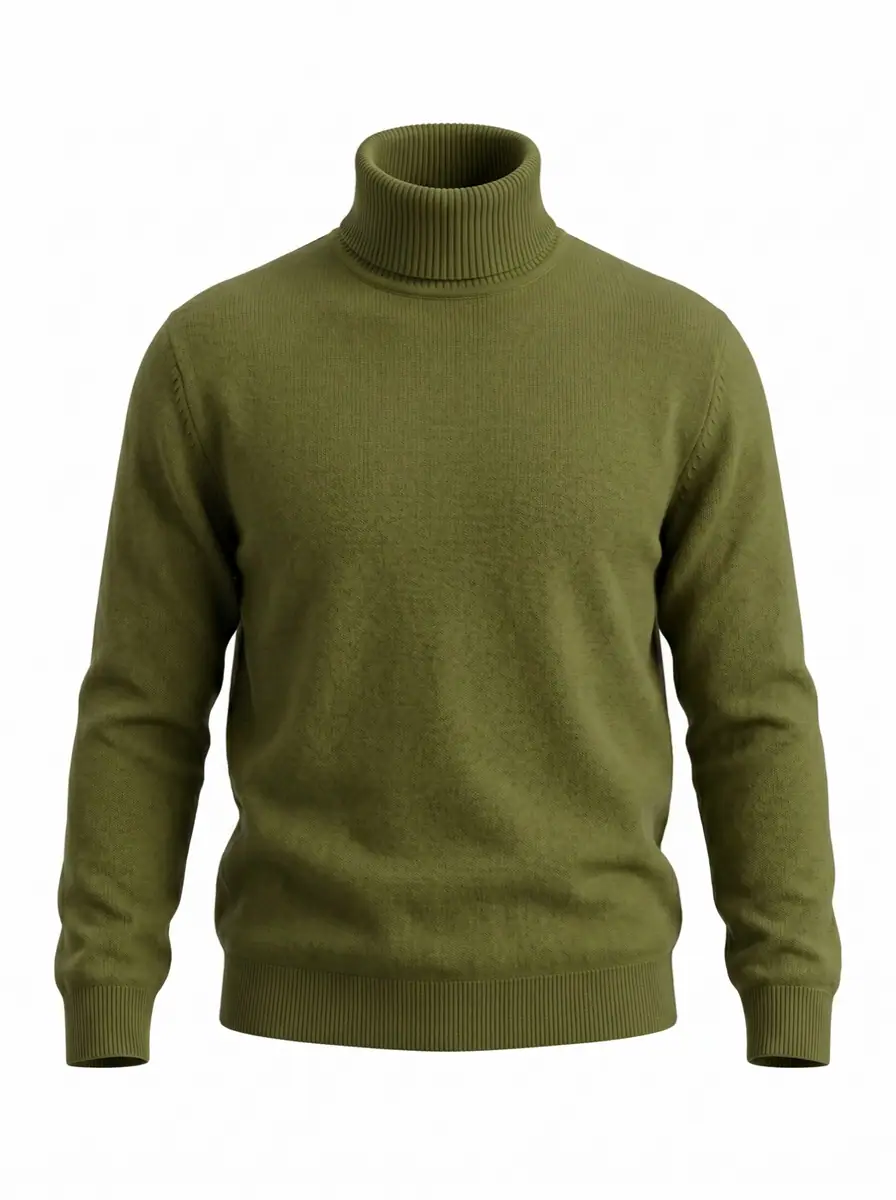 T1-FW004
Training Turtleneck Sweater
A unisex turtleneck direction for reviewing collar structure, rib recovery, warmth, fit and professional training use.
View product details ↗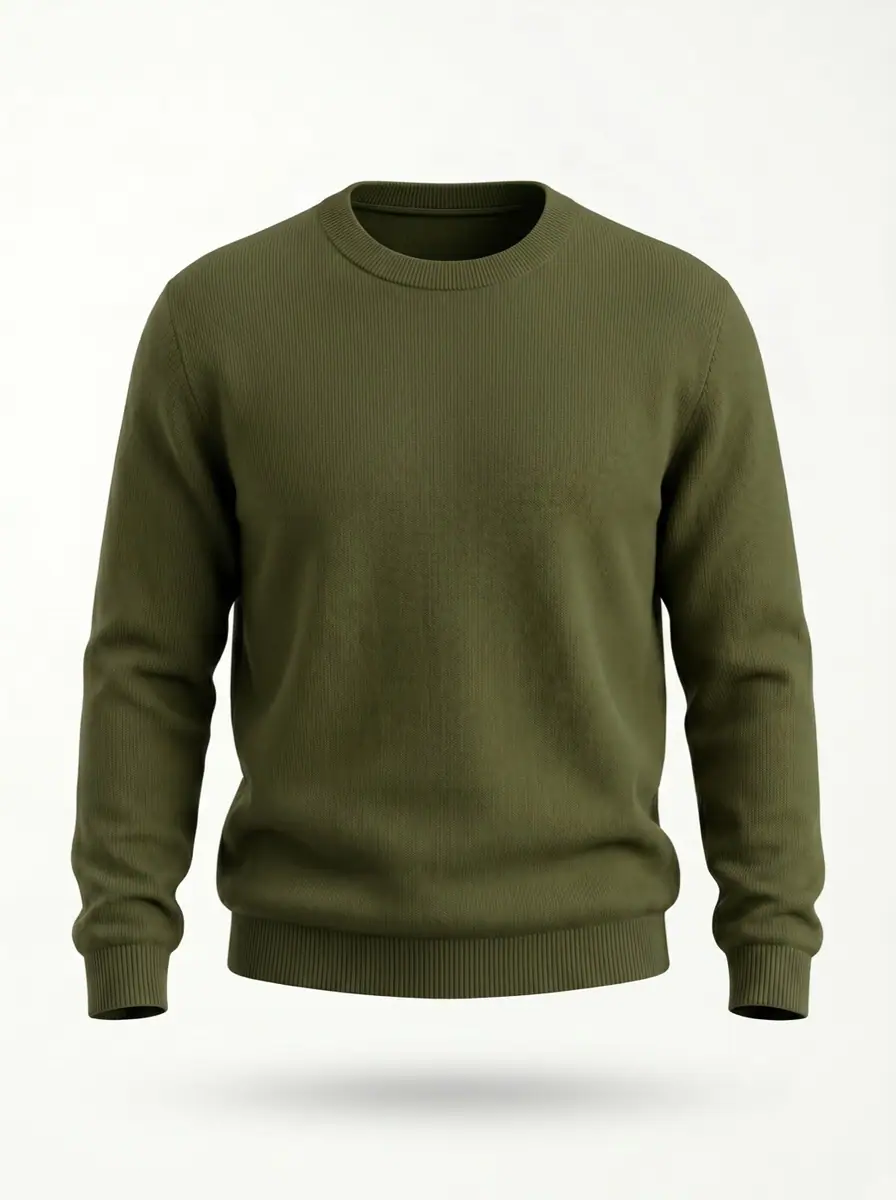 T1-FW005
Training Thermal Sweater
A crew-neck thermal sweater direction for reviewing knit appearance, finished measurements, surface durability and repeat-order consistency.
View product details ↗