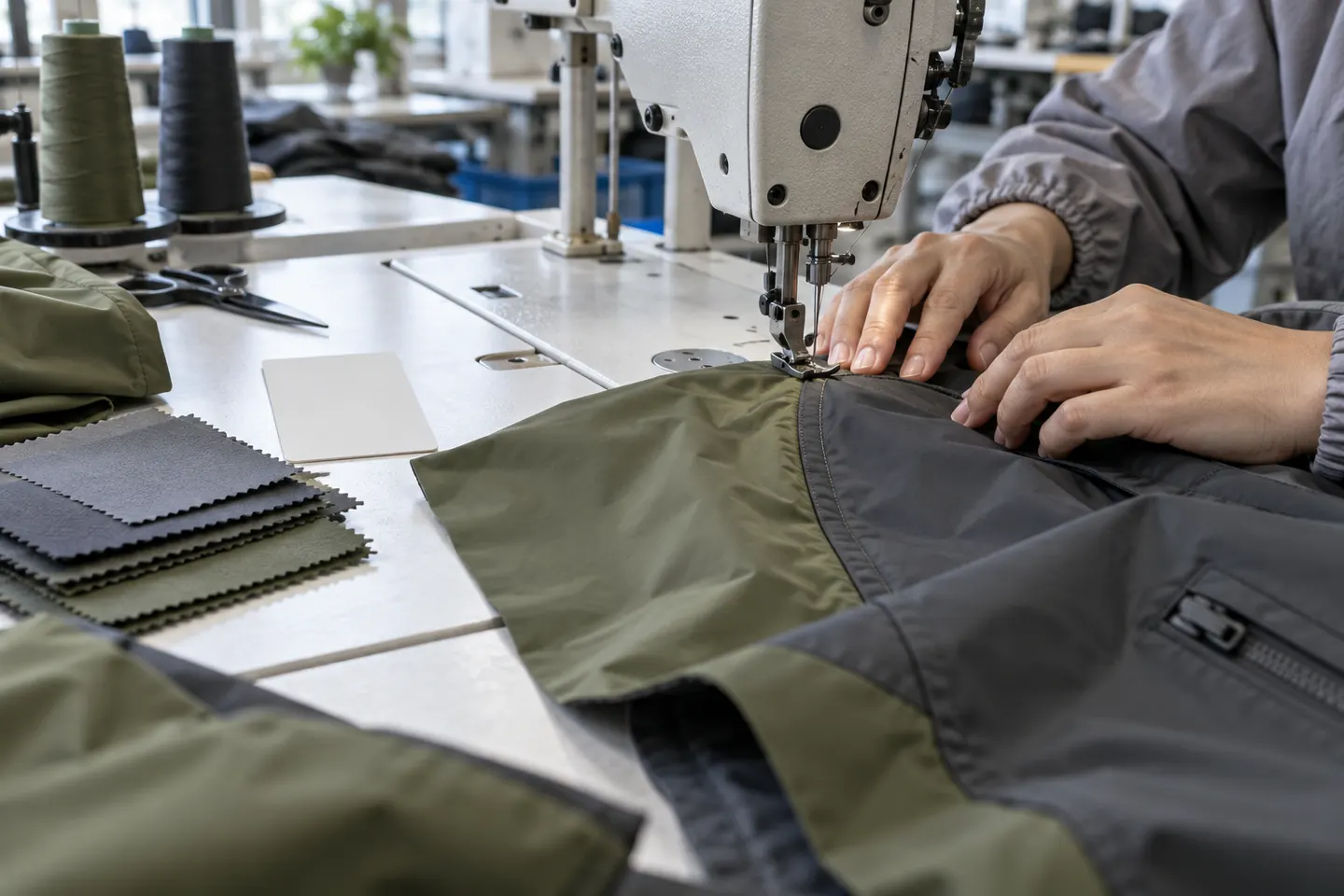
A technical apparel sewing partner should be assessed against the garment you intend to buy, not a generic factory photograph. Ask how the team converts your specification into an approved sample, controls the incoming material, checks critical operations and traces changes into bulk production. The image is an AI-generated concept, not a photograph or proof of a specific factory, order or inspection.
Start with a manufacturable buyer specification
Give the sewing team a controlled product brief before judging its sample or quotation.
Define wearer, operating climate, size range, layering and equipment compatibility, fabric, trims, colour, labels, packing and intended maintenance. Flag any tender clause or drawing that is incomplete or contradictory instead of assuming compliance.
Ask who owns the pattern, size grading, bill of materials and revision record. A sample review is meaningful only when buyer and manufacturer can identify the same specification version.
Trace incoming material to the approved reference
Material control matters because a well-sewn garment made from the wrong fabric is still the wrong product.
Request a process for matching incoming fabric and trims to approved references, recording lot identity and isolating discrepancies before cutting. Leading Protective describes 100% incoming fabric inspection and an in-house textile laboratory; the exact checks, methods and acceptance criteria must still be agreed for each project.
Ask which material properties need independent or buyer-specified evidence. A fabric check is not a blanket certification of the finished garment, and an illustrative image is not proof of an inspection result.
Review sewing checkpoints and realistic evidence
Identify the operations where variation would affect fit, strength, comfort or use with equipment.
For the actual garment, review seam type, seam allowance, stitch consistency, reinforcement, neckline and cuff construction, component attachment and critical measurements. Set the inspection stage, sampling route and acceptable deviations with the buyer rather than relying on a generic quality slogan.
Ask to see relevant approved samples, work instructions, in-process records or project-specific inspection photographs when available and permitted. Do not treat unrelated factory or laboratory photographs as evidence for your order.
Lock sample approval and change control
A supplier review is complete only when the approved sample can be reproduced and deviations escalated.
Record the signed-off sample version, size chart, material and trim references, workmanship points, labels, packing and required test or inspection evidence. Clarify who decides on defects and how a failed checkpoint is corrected and rechecked.
Before bulk release or repeat orders, reconcile any pattern, fabric, trim, process or destination-market change against the approved reference. Confirm quantities, lead time, commercial terms and requested documentation in the actual enquiry rather than assuming universal terms.
Buyer brief checklist
- Buyer specification version, wearer and use conditions
- Garment construction, size set and equipment interface
- Approved fabric, trims, colour and lot identification
- Incoming inspection scope, methods and acceptance limits
- Critical sewing, reinforcement and measurement checkpoints
- Sample and evidence identity, inspection route and responsible parties
- Defect escalation, correction, recheck and change approval
- Packing, labelling, documentation and project-specific commercial brief
See the factory and technical sewing workflow ↗
Review fabric and garment quality control ↗
Products connected to this solution
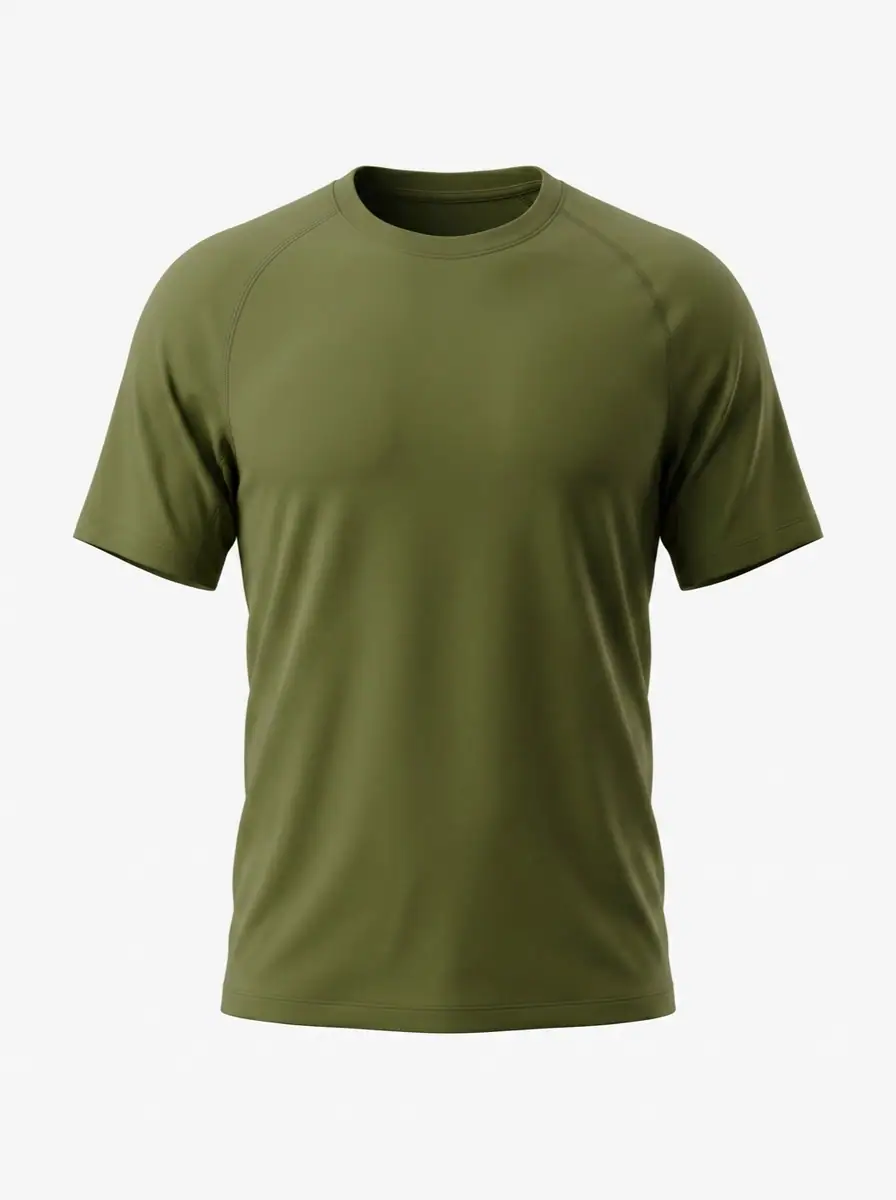 T1-FC001
Military Cooling T-Shirt
A professional base-layer reference for reviewing fabric, seam placement, fit and repeat-order control.
View product details ↗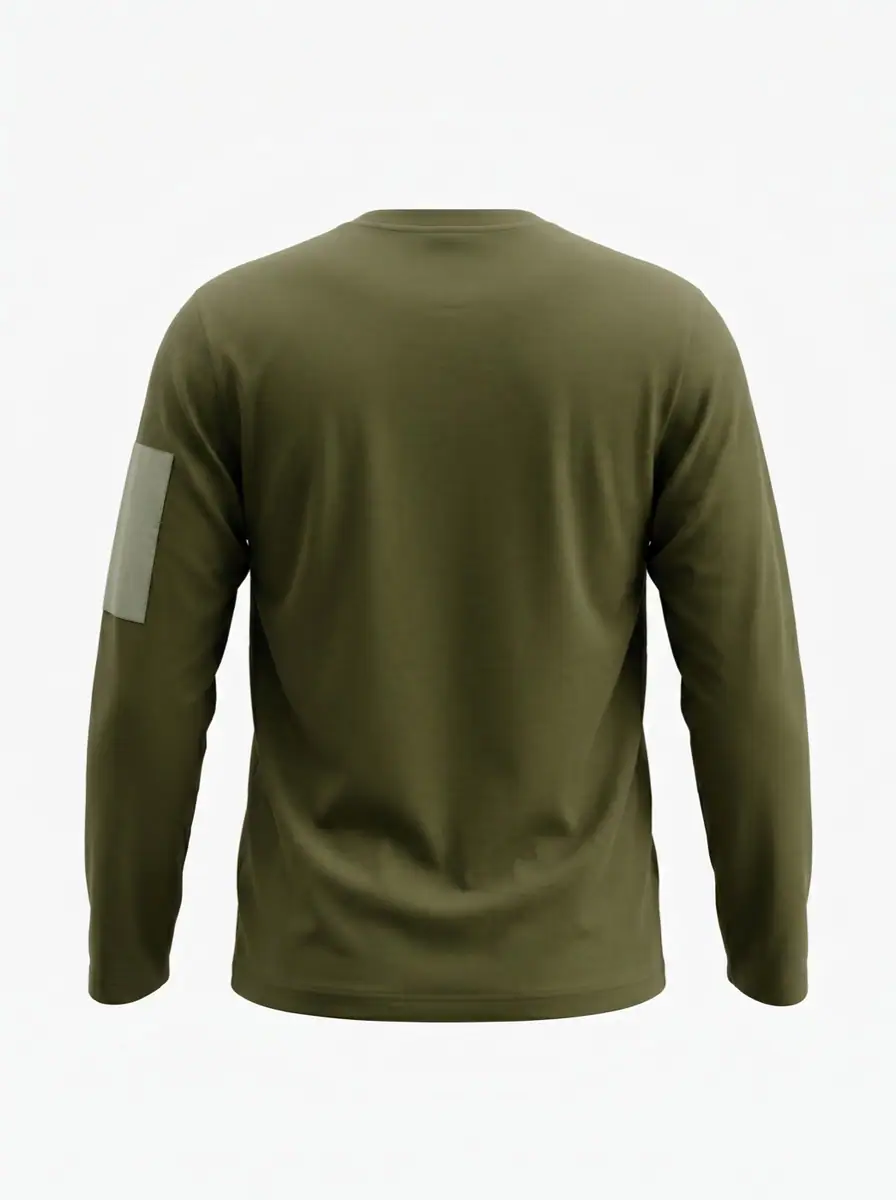 T1-FW003
Military Long-Sleeve T-Shirt
A long-sleeve uniform layer reference for checking construction, cuffs, sizing and material approval.
View product details ↗