
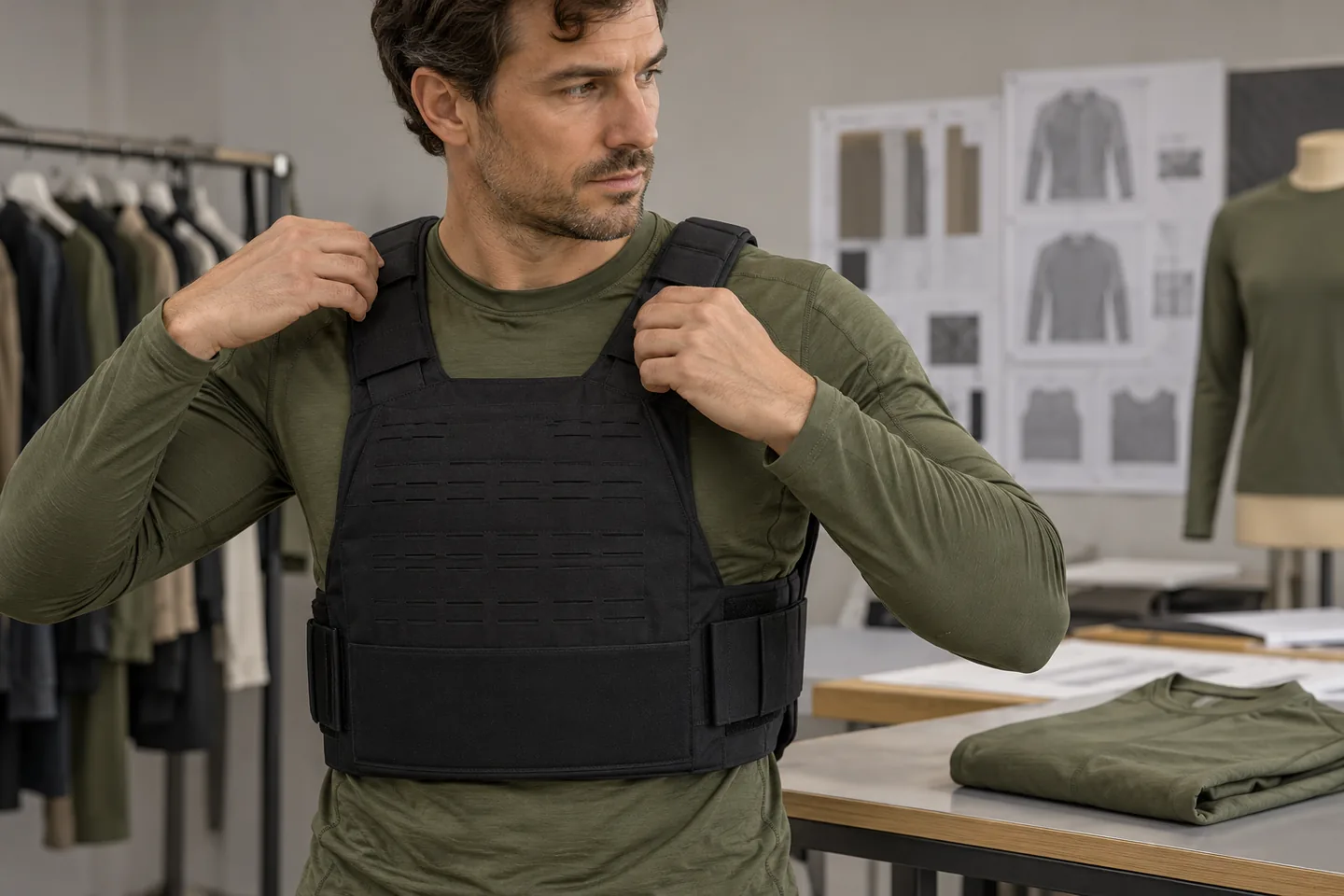
A tactical base layer should be approved with the vest, straps and clothing layers it will actually be worn with. Define the operating conditions, fit and construction details, then assess a sample through representative movement. This guide concerns garment fit and sourcing only; it does not claim ballistic, protective-equipment or field-test validation. The image is an AI concept, not a supplied product or factory photograph.
Map the complete wearing system
Specify the base layer alongside the carrier, straps, outer layers and duty cycle—not as an isolated shirt.
Record climate, activity and rest periods, expected moisture, wear duration, and whether the garment sits directly against the skin or over another layer.
Identify carrier coverage, shoulder straps, belt interfaces and other contact points. Note whether the shirt must remain tucked, provide wrist coverage or work beneath a specific uniform layer.
Position seams and openings around equipment
Pattern and seam details should avoid unnecessary bulk, pressure points and bunching beneath the equipment used in the program.
Review shoulder and side seams, underarm construction, neckline, sleeve length, cuffs and body length while the sample is worn with the intended carrier and pack arrangement.
Agree fabric hand, stretch direction, thickness, fit ease and moisture-management expectations through buyer-defined specifications and sample review; do not infer a universal fabric weight or performance from the product category.
Run a representative movement and fit review
Use the actual clothing and equipment configuration to find fit conflicts before approving the sample.
In a controlled fitting, assess arm reach, torso rotation, kneeling, bending and repeated shoulder movement. Record whether the shirt rides up, twists, binds or develops uncomfortable pressure under straps.
Review the planned size range on representative wearers and record feedback by size and activity. This is an apparel fit review, not a ballistic or protective-equipment test.
Lock the approved sample and change controls
A repeatable OEM order needs a documented garment reference, inspection plan and owner for changes.
Record fabric and trim identities, construction details, measurement points, size chart, color, labels, care instructions, packaging and the approved sample revision.
Agree how measurement tolerances, workmanship, laundering review and any end-user evaluation will be defined for the project. Re-review changes to fabric, pattern, seams or equipment interfaces before a repeat order.
Buyer brief checklist
- Operating climate, activity and wear duration
- Carrier, straps, pack and uniform layers used in the fitting
- Fit ease, body length, sleeve coverage and tuck requirement
- Seam, neckline, cuff and underarm construction
- Buyer-defined fabric and moisture expectations
- Movement review and wearer feedback by size
- Approved sample, measurement plan, care and change owner
Products connected to this solution
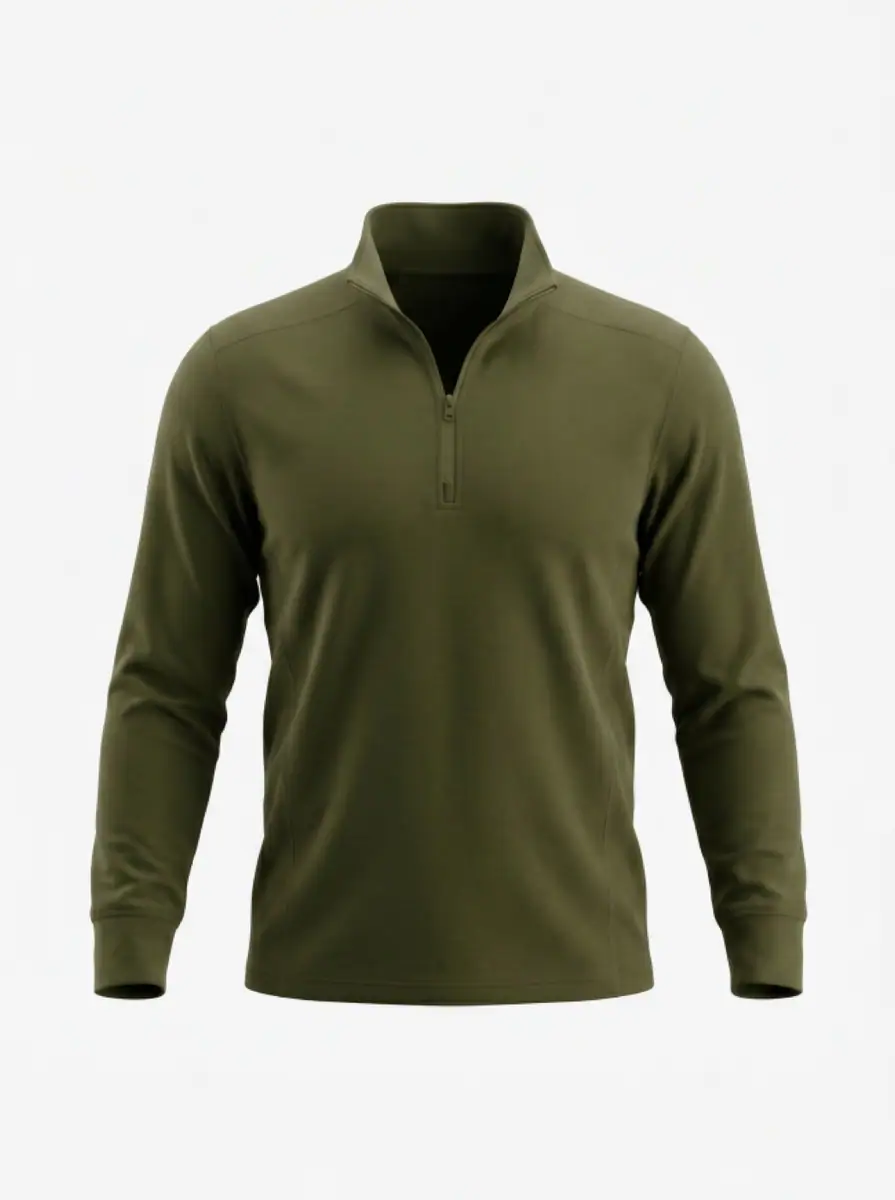 T1-FW001
Military Thermal Underwear Set
A coordinated thermal base-layer reference; equipment fit must be reviewed against the buyer's actual configuration.
View product details ↗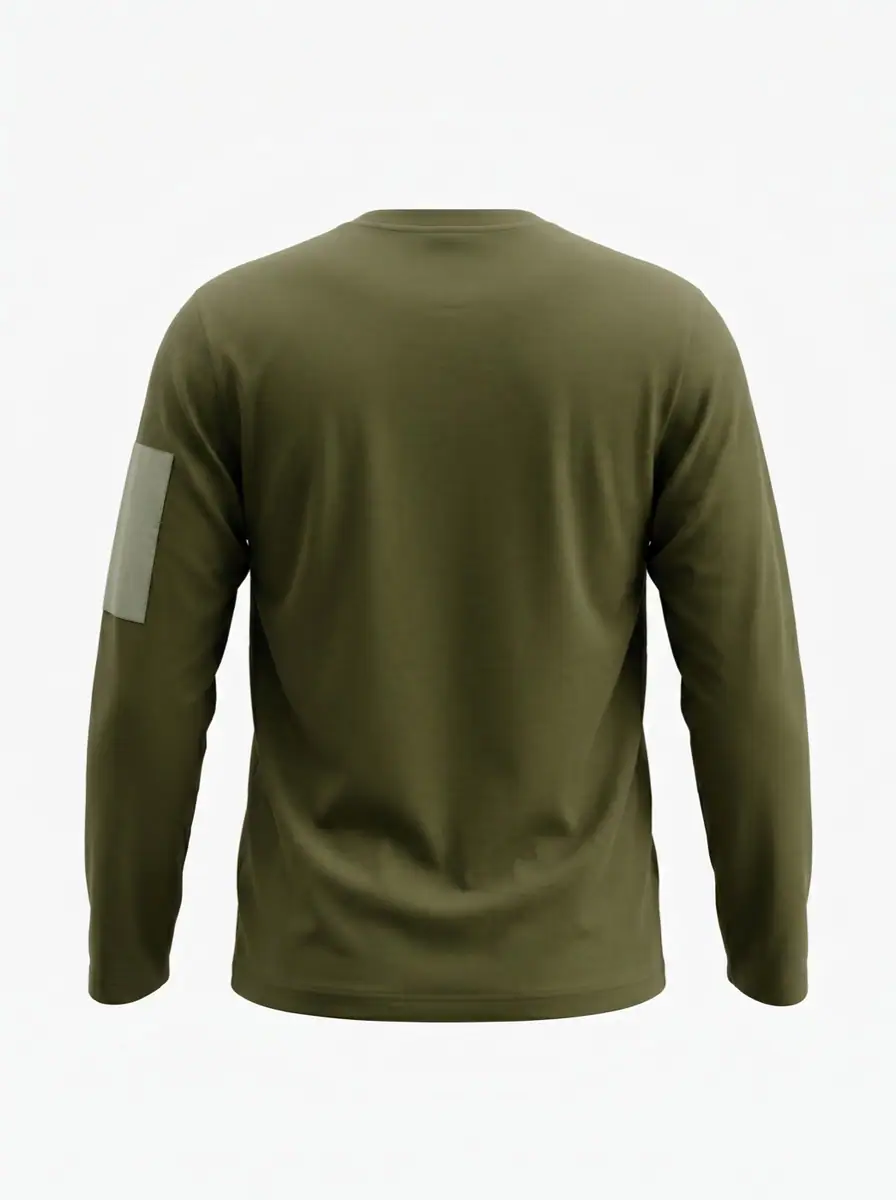 T1-FW003
Military Long-Sleeve T-Shirt
A long-sleeve garment reference for discussing coverage, fit and sample construction; no armor compatibility is implied.
View product details ↗