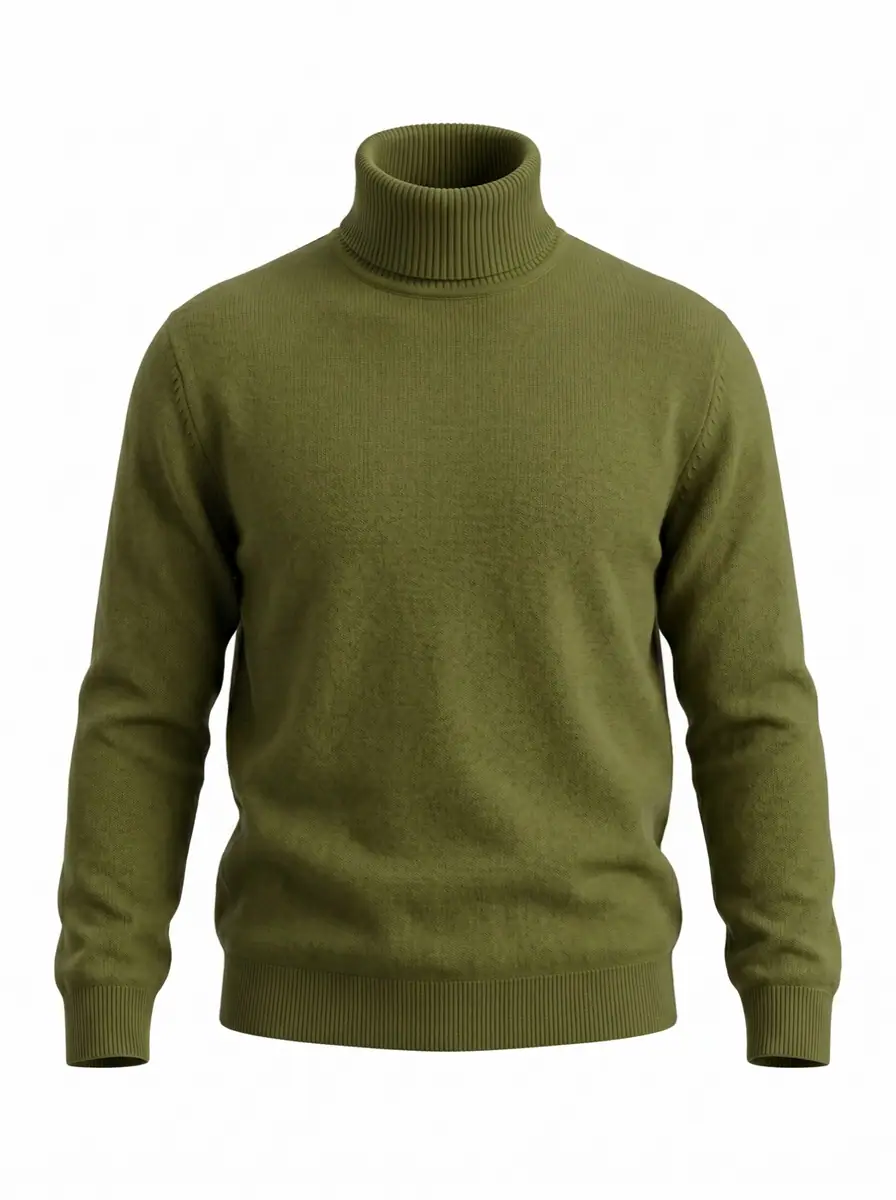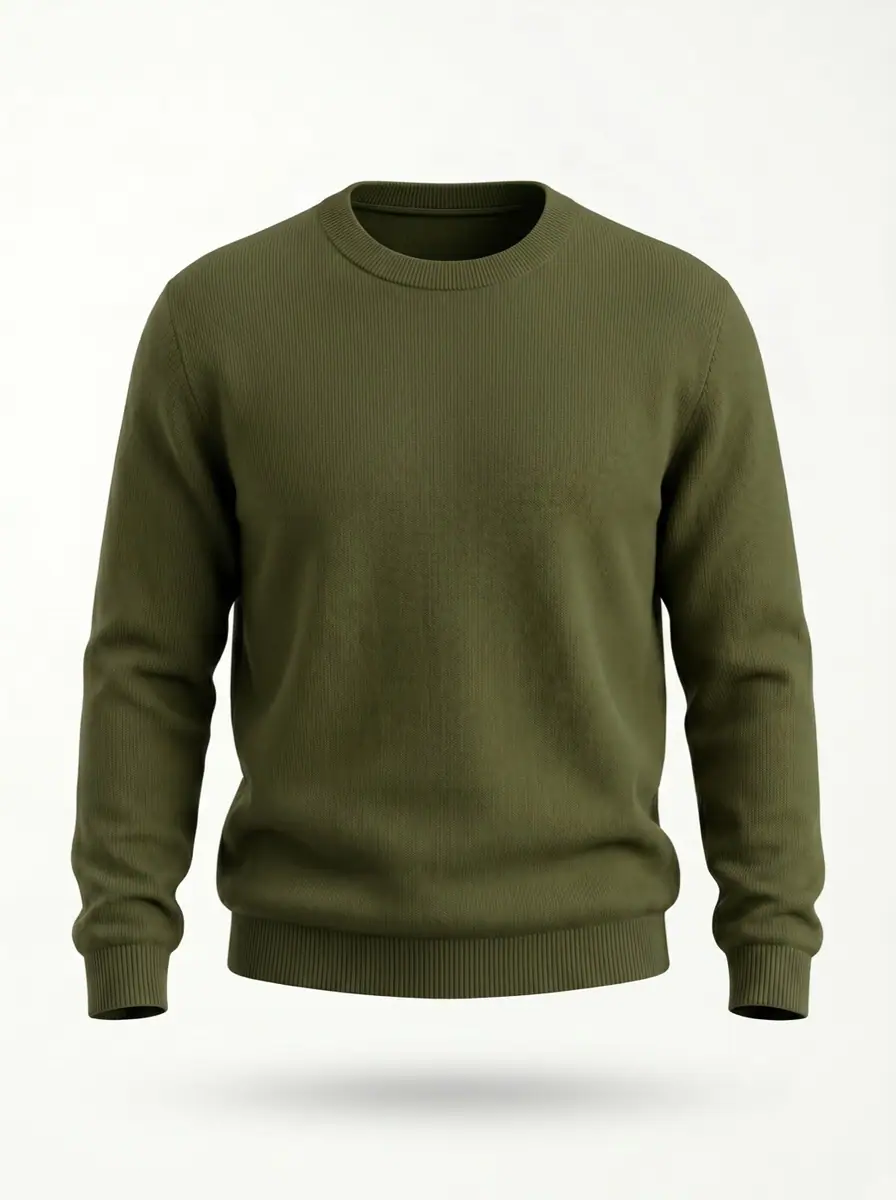
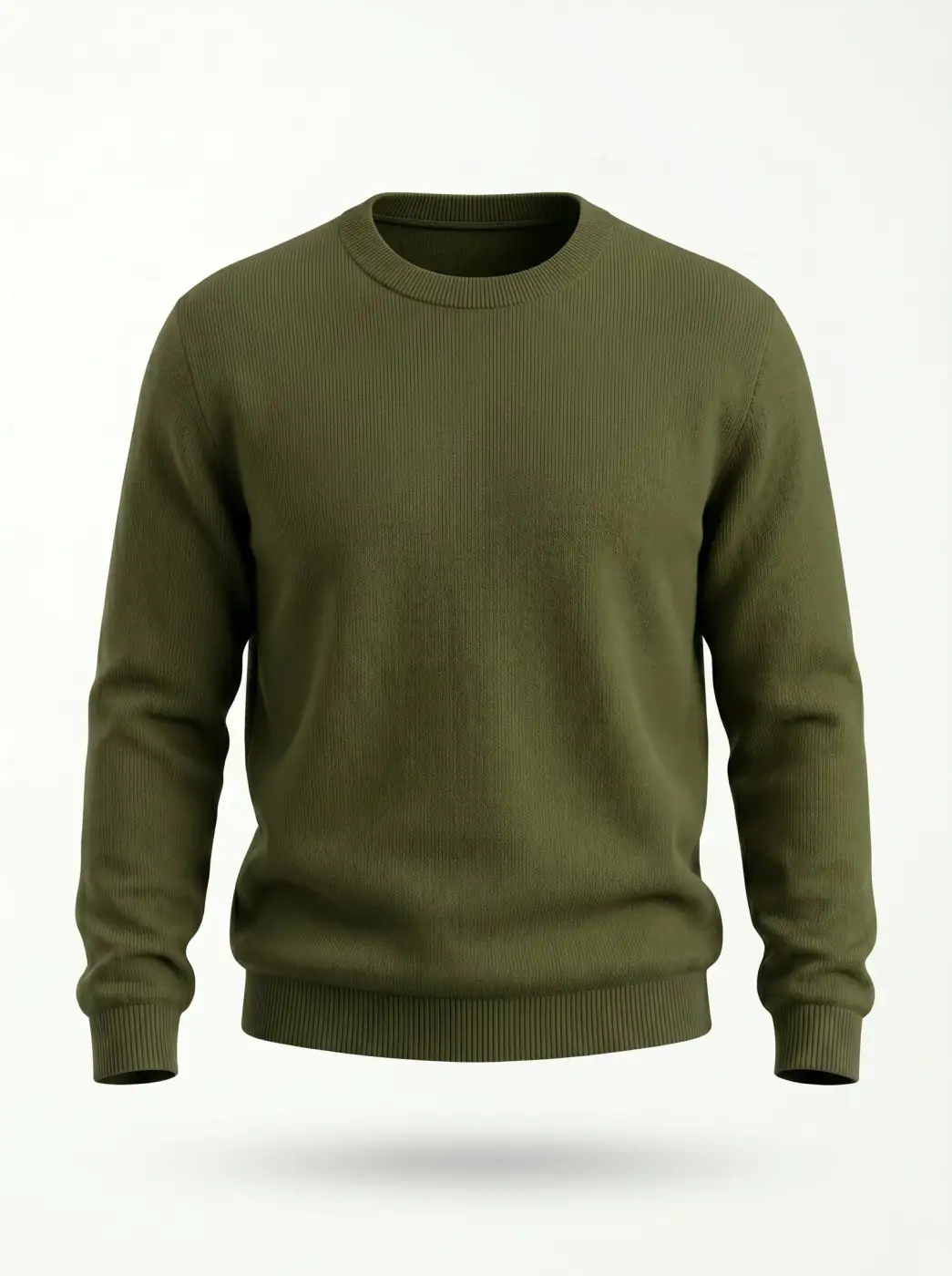
A professional sweater must look consistent across a team while remaining comfortable through changing indoor and outdoor conditions. The development brief should connect thermal function with appearance, fit, care and repeat-order control.
Define the wearing context and dress standard
Start with where and how the sweater will be worn.
Clarify whether the program is for outdoor training, office wear, professional casual use or movement between these settings.
Set expectations for silhouette, neckline, layering, colour consistency and visible branding before material selection.
Balance warmth with indoor comfort
More insulation is not always better for an all-day uniform.
Review the climate, activity level, outer layers and time spent indoors so warmth, breathability and bulk can be balanced.
Use the material composition and knit construction as part of a complete prototype review rather than as a stand-alone performance promise.
Approve fit, colour and branding together
Uniform consistency depends on decisions that are often reviewed too late.
Confirm the size range, grading, unisex or buyer-defined fit direction, colour reference and placement of insignia, labels or embroidery.
Evaluate branding on the actual approved material because stitch density, backing and placement can affect appearance and comfort.
Create a repeatable quality reference
The approved sample should become the visual and dimensional control point for production.
Record garment measurements, yarn or material reference, workmanship, colour, labels, branding and packing.
Align inspection checkpoints and acceptable tolerances with the buyer before volume production and repeat orders.
Buyer brief checklist
- Training, office or mixed-use environment
- Required neckline, silhouette and layering
- Size range and fit reference
- Colour, insignia, labels and packing
- Care, inspection and repeat-order requirements