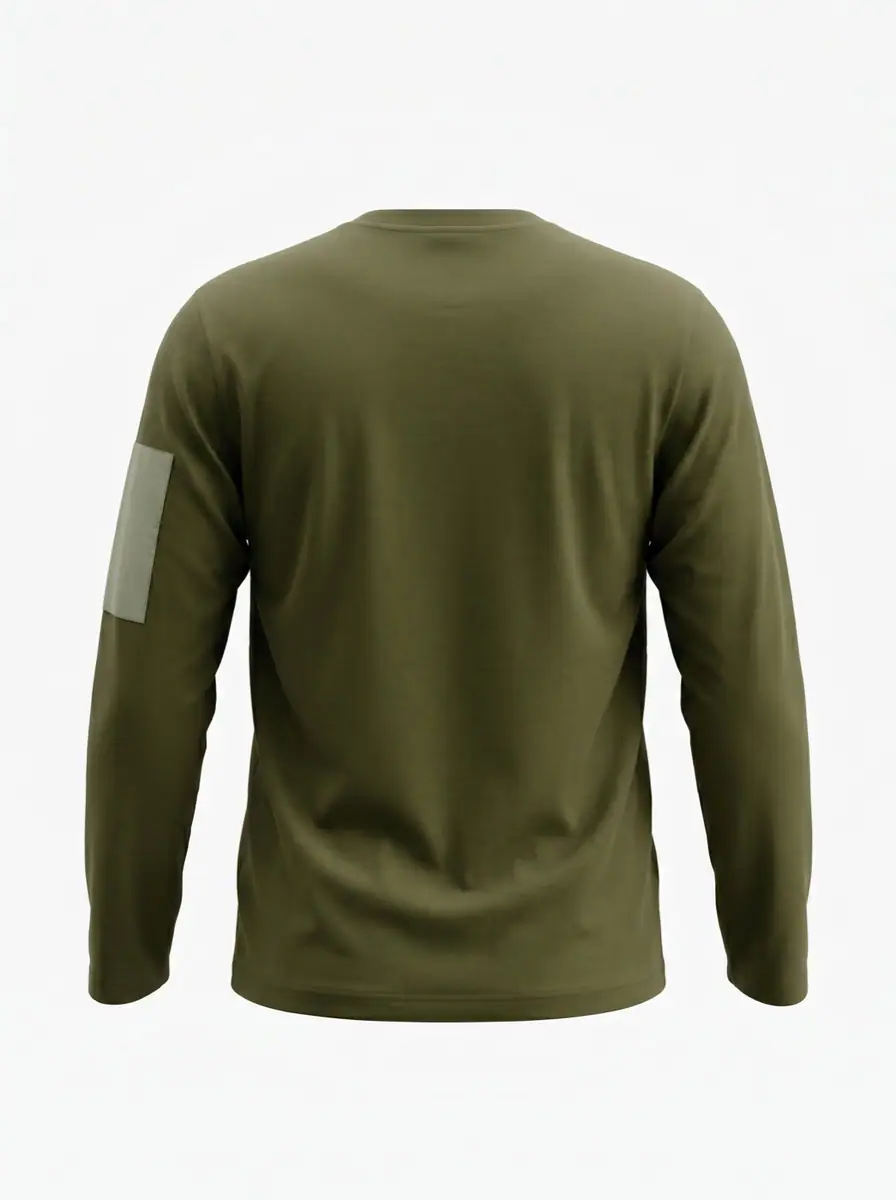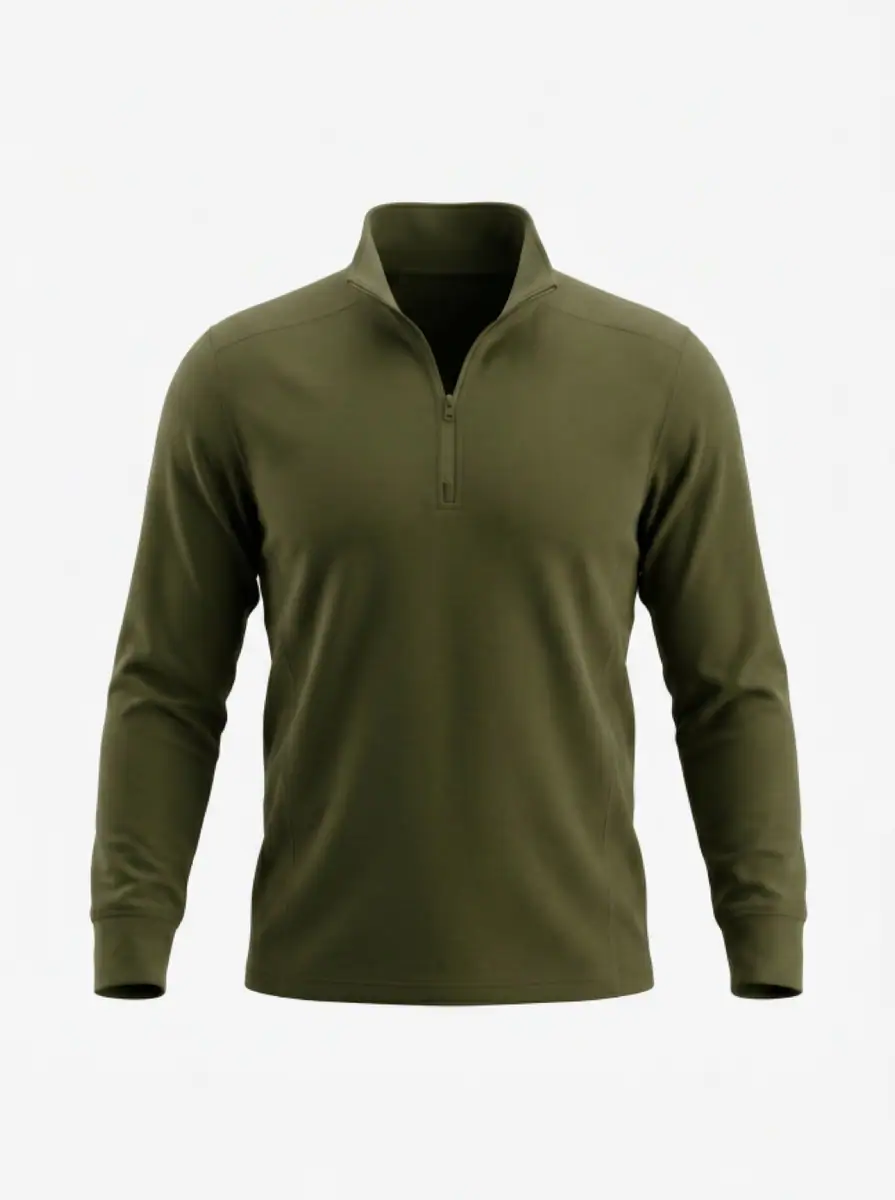
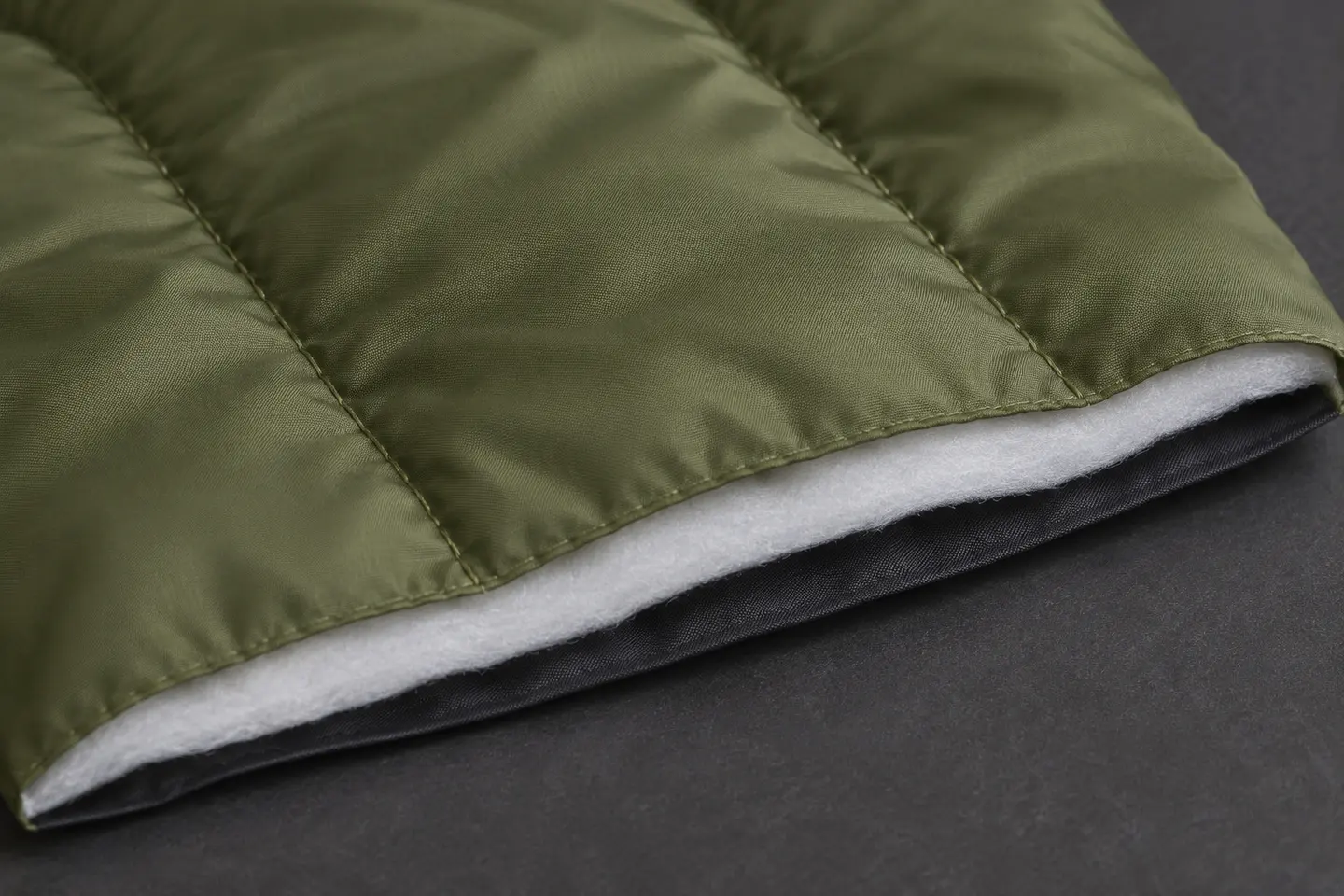
Approve the shell, insulation, lining and stitching as one assembled sample. Agree the care and recovery conditions, compare the same zones before and after, and define which changes require a hold. The illustration is a concept.
Identify the complete assembly
Record the insulation and the construction that keeps it in position.
Note shell and lining references, insulation type, attachment method and quilting layout. Mark body, sleeve and panel joins to compare again after care.
Send the intended use and underlying clothing with the brief. The linked base layers help define the clothing configuration. Confirm the padded garment development scope with the supplier.
Compare the same zones after care
Use an agreed care sequence and recovery period before the second inspection.
Document wash, dry and handling conditions, number of cycles and sample selection. Keep the sample ID and baseline photographs. Any project test method and acceptance limit need buyer agreement.
Check for displaced fill, localized lumps, gaps and fibres emerging through the fabric or seams. Record each observation by location. Evaluate thermal performance under its separately agreed procedure.
Document the release decision
Hold affected samples until the cause and corrective action have been reviewed.
Review any change to shell, lining, fill or stitch layout. Repeat the relevant care review on the revised assembly and retain both records for traceability.
For a quote, send the zone drawing, care route, acceptable appearance changes, sizes, quantities, destination and evidence needs. Confirm sample work, testing, price and timing for that scope.
Buyer brief checklist
- Shell, lining and fill references
- Fill attachment and quilting layout
- Care sequence, cycles and recovery
- Sample IDs and before/after photographs
- Limits, hold authority and repeat review
- Sizes, quantities, destination and evidence
Review our fabric inspection and in-house laboratory process ↗
Email the buyer specification to discuss evidence for your project ↗