
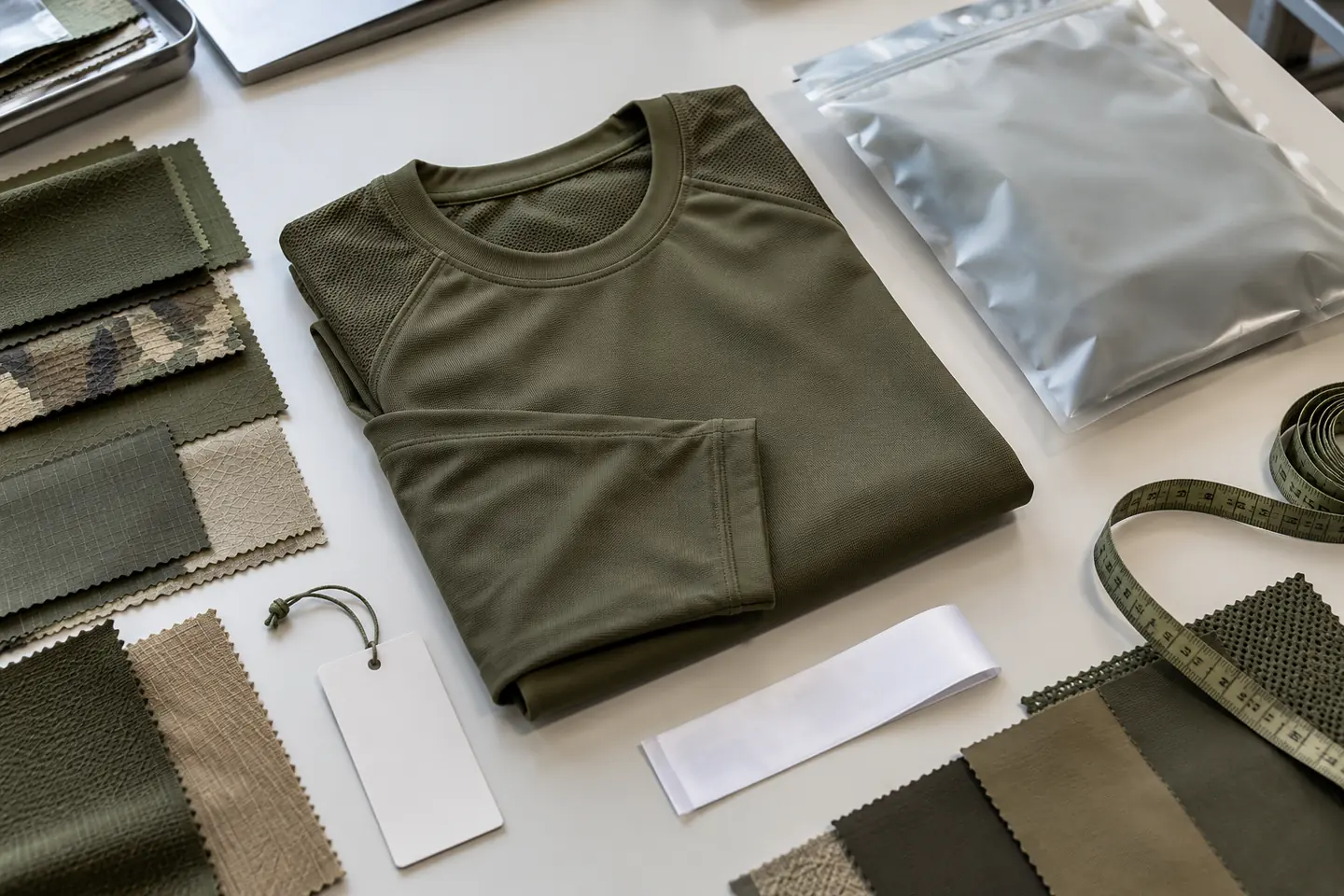
Approve the label and pack as controlled parts of the uniform, not as last-minute decoration. Before bulk production, align the actual garment materials, destination-market requirements, approved artwork, size identification and packing method. The image is an AI-generated concept, not a photograph of a delivered order.
Confirm the destination market and item identity
Start with the purchase order, garment specification and destination market; the same artwork should not be assumed valid for every country or tender.
List the product name or code, size system, language, buyer marks, required warnings and any tender-specific identifiers. Have the buyer or qualified adviser confirm applicable local labeling rules rather than relying on a generic supplier template.
Keep the label artwork revision tied to the approved garment sample. If multiple markets share one garment, document which labels and packs differ by destination.
Verify every material and care claim
Label content must match the approved bill of materials and the evidence for the finished product.
Confirm fiber composition, layer or component descriptions and care instructions against actual materials. Agree any test method and acceptance criteria needed to support a wash, durability or performance claim before printing it.
Do not copy a certificate, protection statement or performance symbol from another garment. If the evidence is incomplete, hold the claim for buyer review instead of treating artwork approval as technical approval.
Approve label placement and readable artwork
A correct label can still fail the buyer's purpose if it is uncomfortable, illegible or attached in the wrong place.
Review sewn-in label position, size, attachment method, edges, wearer comfort and visibility on the approved size set. Check care text, symbols, barcode readability and contrast on physical proofs rather than only a screen mock-up.
Record the approved artwork file, language variant, sample photograph and sign-off owner. Recheck after any change to fabric, trim, fit or washing procedure.
Link unit packs and cartons to the order
The packing plan should let a buyer identify the right item, size, quantity and lot without opening every unit.
Agree fold method, individual bag or other unit pack, size sticker, carton assortment, carton markings and any moisture-control requirement for the actual shipping route. Avoid promising a universal packing standard where the buyer has not supplied one.
Connect the approved packing reference to the purchase order, size allocation, production lot and final inspection records. Send Leading Protective the market, artwork, size breakdown and packing brief so development can identify gaps before sampling.
Buyer brief checklist
- Destination market, buyer and tender labeling requirements
- Approved garment code, bill of materials and artwork revision
- Verified fiber, care and performance statements
- Language, size system, symbols and required warnings
- Physical proof of label placement, comfort and legibility
- Unit-pack method, size identification and carton assortment
- Lot traceability, approval owner and change-control route
Review our garment quality-control process ↗
Send your labeling and packing brief to our team ↗
Products connected to this solution
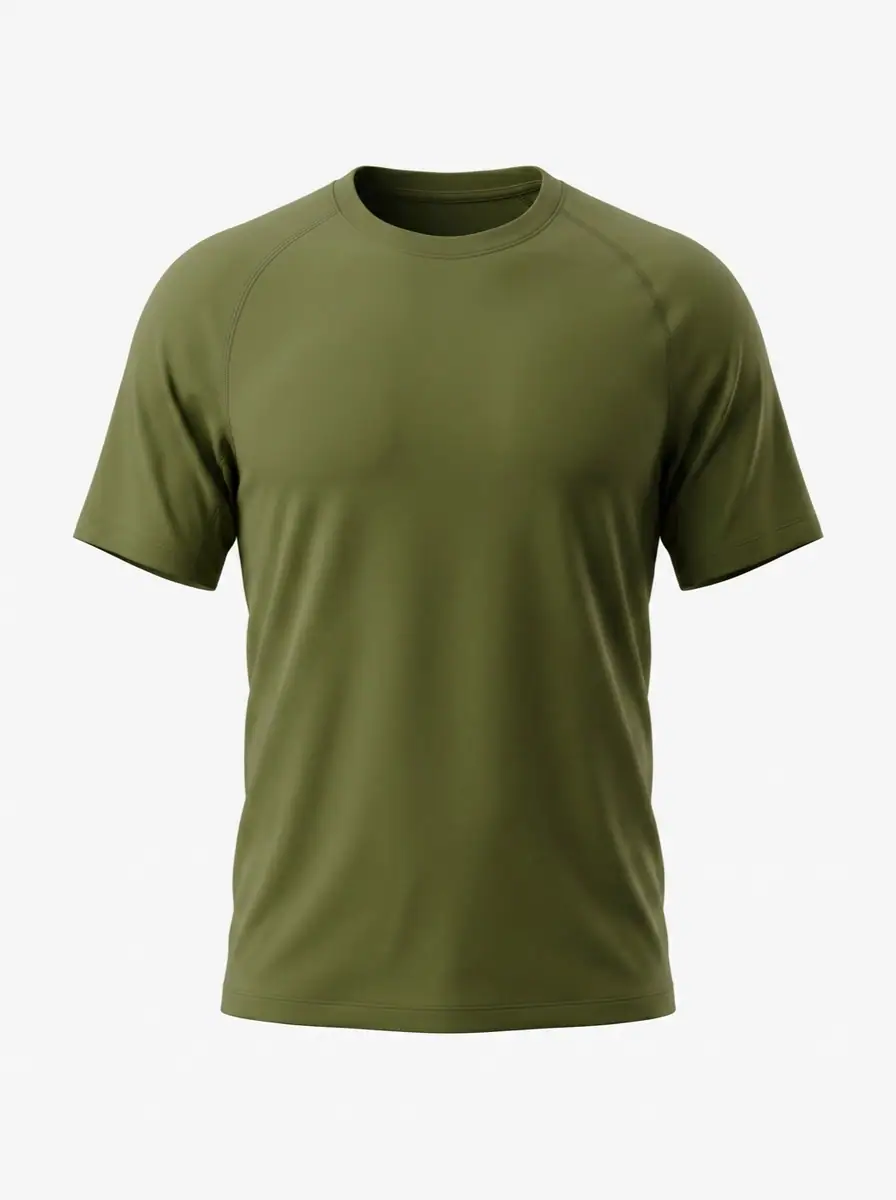 T1-FC001
Military Cooling T-Shirt
A hot-climate garment reference for aligning care, size and pack artwork with the approved material.
View product details ↗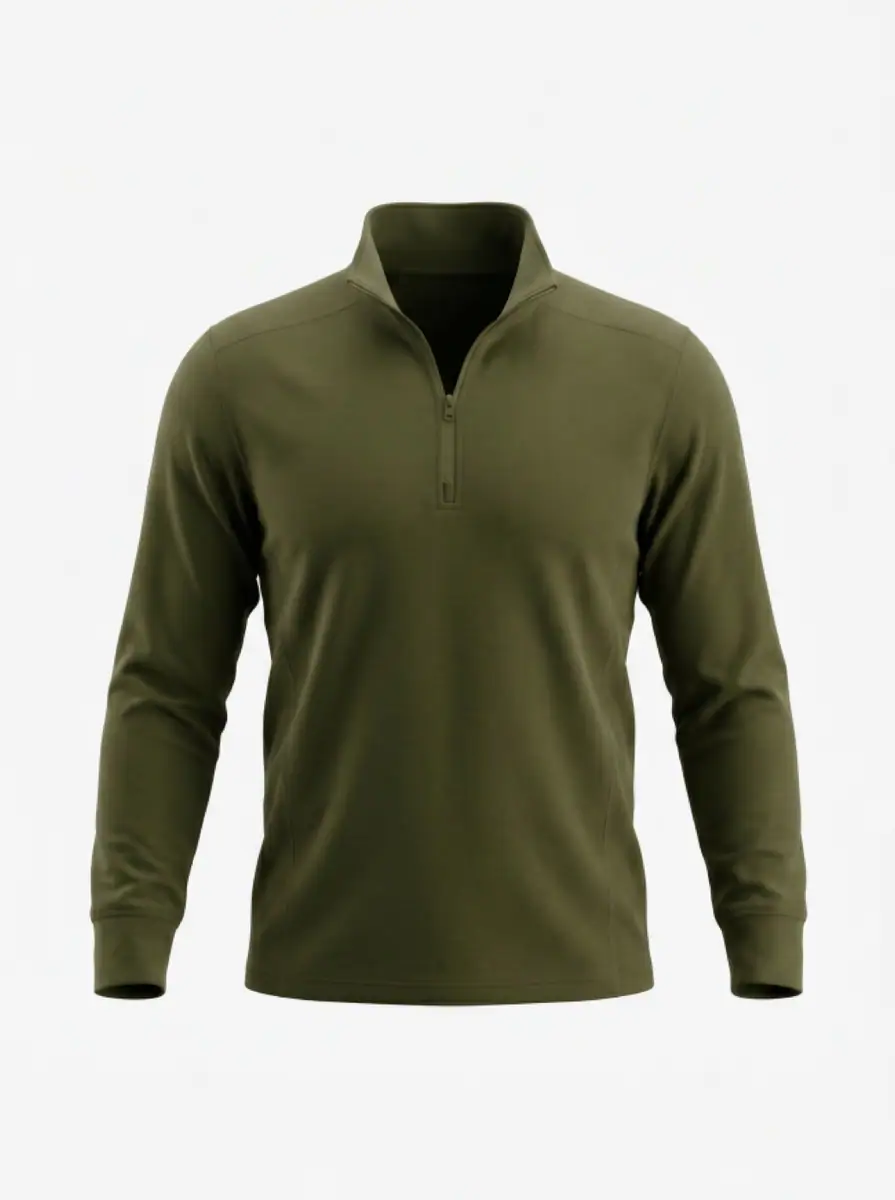 T1-FW001
Military Thermal Underwear Set
A two-piece base-layer reference for deciding whether each piece needs its own identification and packing record.
View product details ↗