

Before releasing a bulk military garment order, ask for a traceable link from the approved revision to the production lot, relevant inspection records and packed quantities. Record unresolved deviations and who may authorize shipment. This is a proposed buyer workflow, not evidence that a particular order or factory has passed inspection. The image is an AI concept, not a real shipment.
Define which goods are being released
Treat a shipment-release decision as applying to identified goods, not automatically to every item sharing a model number.
Record purchase-order reference, garment model, approved sample and specification revision, color, size breakdown, production lot and carton range. For split deliveries, identify the exact quantities included and remaining.
T1-FW003 and T1-FW004 are catalogue references for long-sleeve and training-sweater programs. A catalogue listing is not proof of lot traceability or shipment approval; request the available project records before committing.
Link the finished lot to relevant evidence
Ask for records whose scope can be matched to the actual materials and garments being shipped.
Agree how material-lot or roll references connect to cutting and sewing batches and then to packed garments. Separate incoming-fabric inspection, in-process checks and final-garment inspection; one record does not replace the others.
For any inspection or test document, check the article and material identity, revision, date, issuer, method and covered quantity or sample. A laboratory photograph or an unrelated report does not establish compliance of the finished shipment.
Separate open deviations from accepted goods
Create a clear hold, correction or written-acceptance decision for each unresolved issue before release.
List affected lots and cartons, issue description, proposed correction, responsible party and evidence needed for closure. Agree inspection scope, sampling approach and acceptance criteria with the buyer; do not apply an unstated universal threshold.
Keep any concession specific to the named issue and quantity. Record who can approve it and whether corrected goods require reinspection. Shipment timing must not silently substitute for a quality decision.
Confirm release and keep a receiving reference
Authorize shipment in writing only for the agreed lot and retain the reference needed for destination checks.
Reconcile released quantities with the packing list and carton identification. Retain the approved revision, relevant records, exception decisions and release owner together; confirm with the supplier what records can be shared and retained.
Send model, quantity, size mix, destination, proposed delivery split and required evidence to discuss an OEM project. Availability, sample scope, price, MOQ and lead time require a project-specific written quotation; this guide is not a promise of certification or delivery.
Buyer brief checklist
- Order, model and approved revision
- Color, size mix and production lot
- Carton range and split-delivery quantities
- Material-to-garment record links
- Inspection scope and acceptance criteria
- Open issues, corrections and concessions
- Written release authority and decision
- Receiving reference, destination and quotation brief
Review the garment quality-control route ↗
Discuss OEM production requirements ↗
Email your bulk-order brief or start on WhatsApp ↗
Products connected to this solution
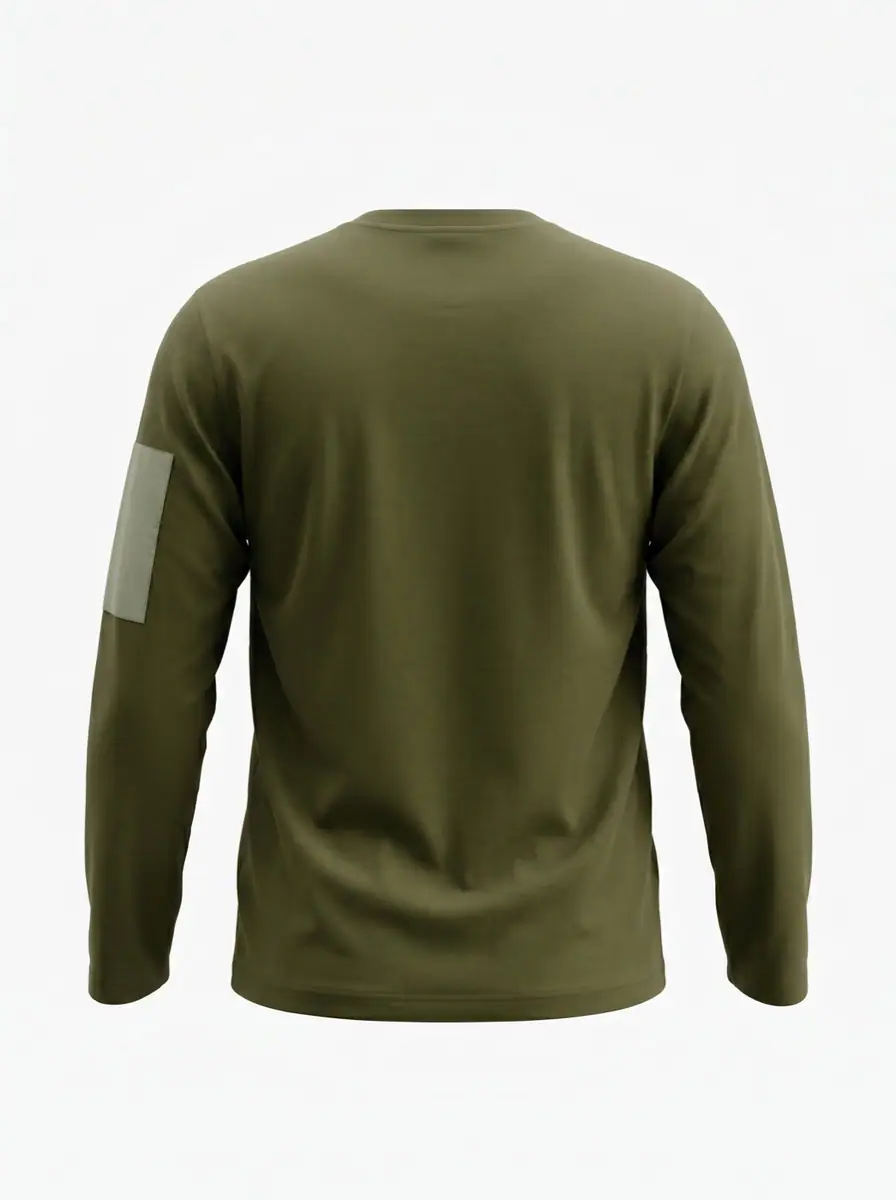 T1-FW003
Military Long Sleeve T-Shirt
Catalogue reference for a long-sleeve garment program; lot records and release requirements need project agreement.
View product details ↗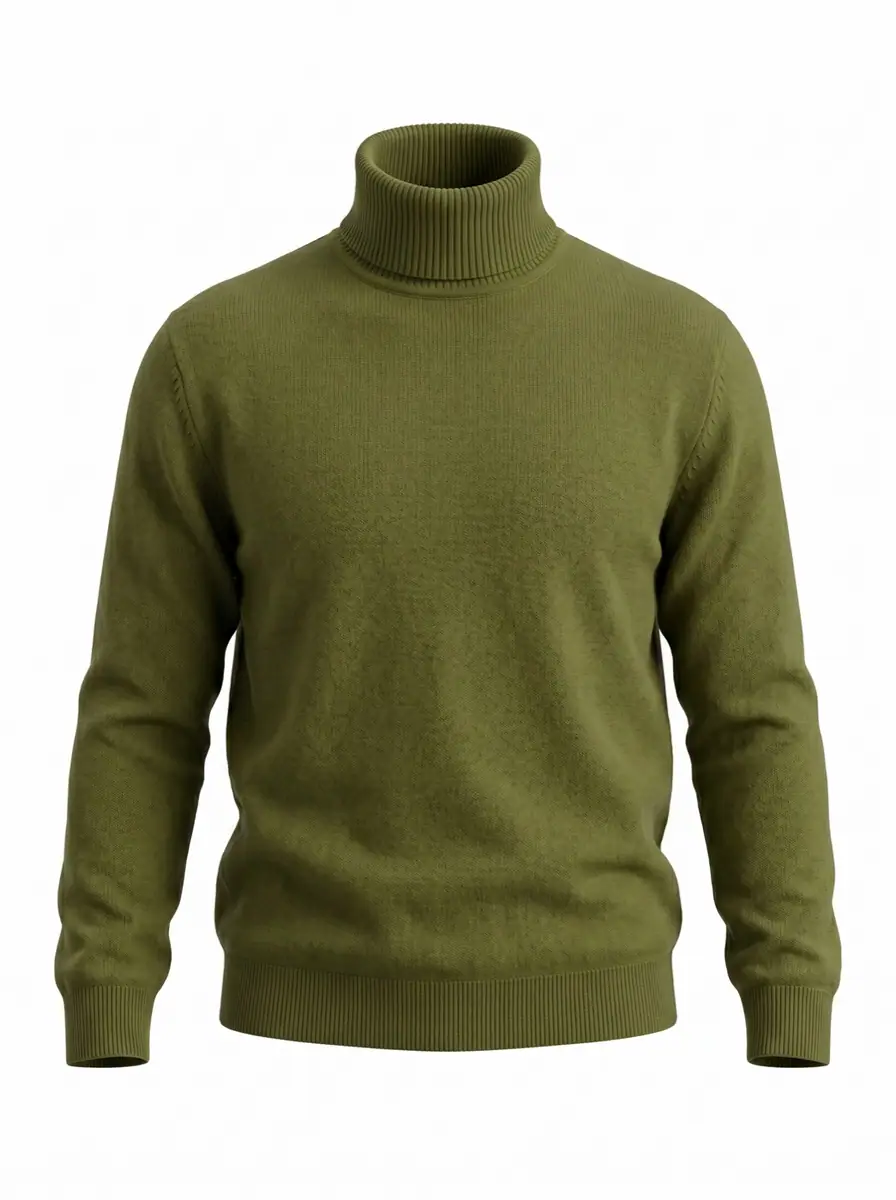 T1-FW004
Unisex Training Turtleneck Sweater
Unisex training-sweater reference for discussing size mix, approved revision and shipment evidence.
View product details ↗