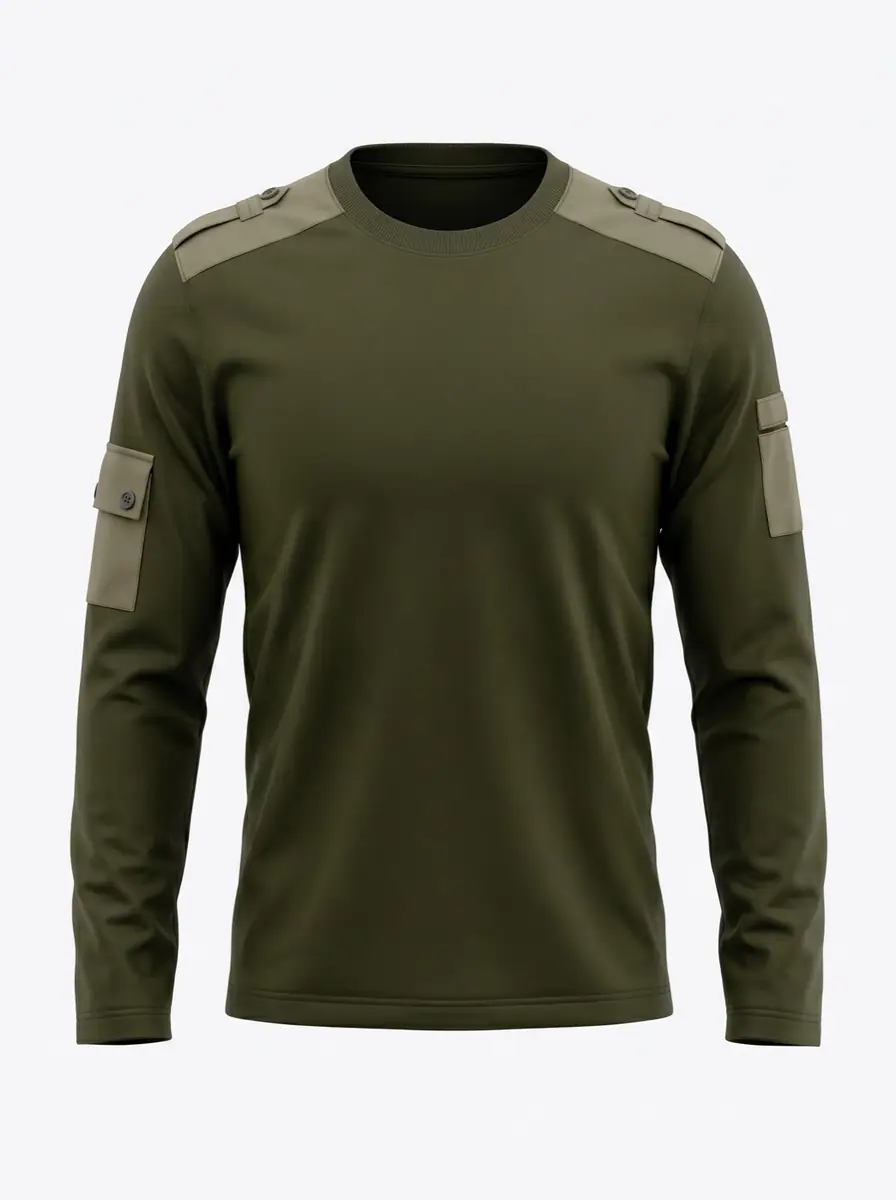
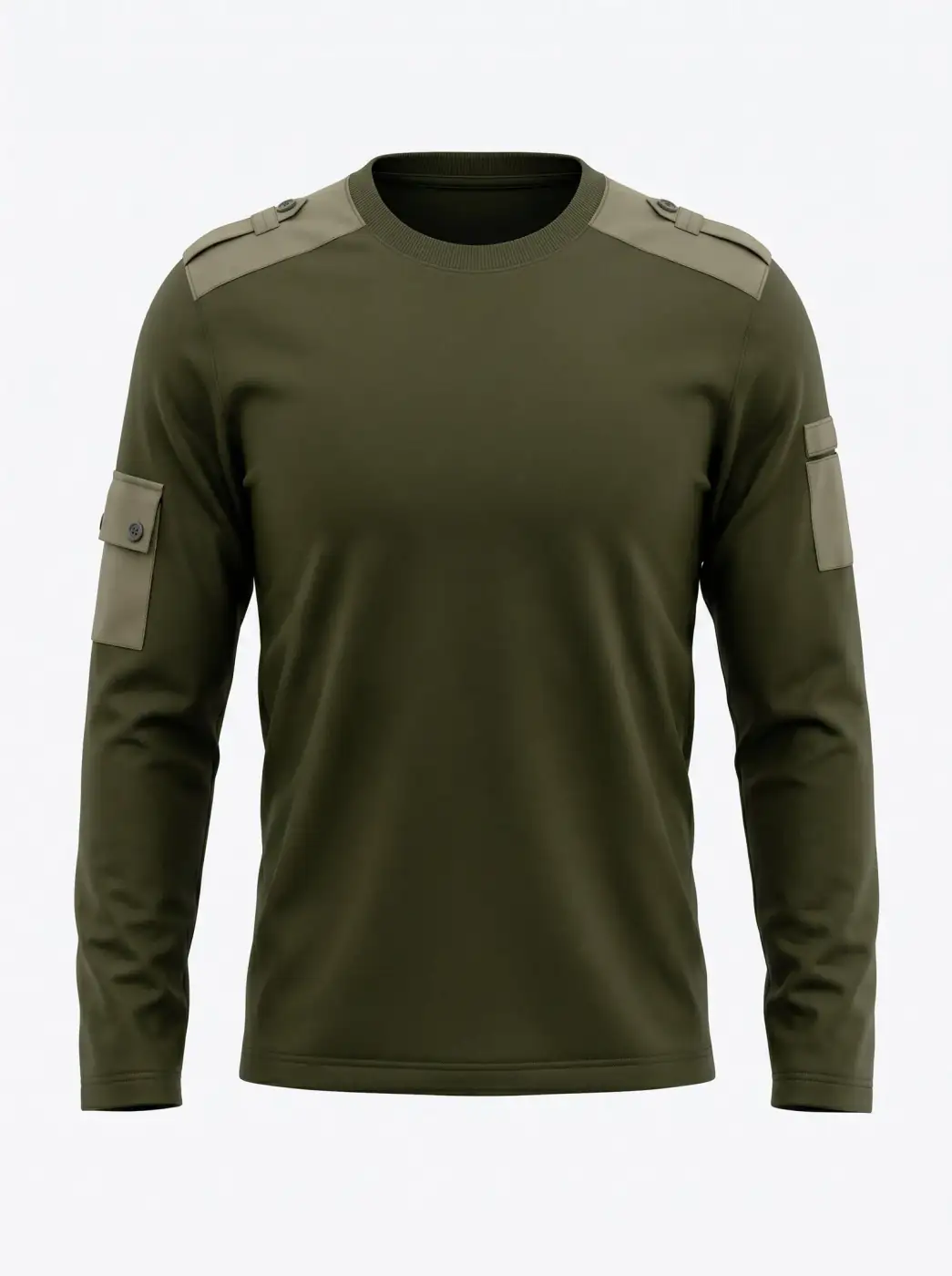
A heated garment is both apparel and an electrical system. Buyers should define the use scenario, heating architecture, power responsibility, maintenance route and destination-market requirements together before sampling begins.
Define the thermal problem first
Heating zones and output should follow the user, environment and duration of exposure.
Identify whether the garment supports static duty, intermittent cold exposure or active movement, and where warmth is needed without restricting mobility.
Clarify what passive insulation and PCM buffering already contribute before adding powered heat.
Specify power, control and responsibility
The controller, connector and power source cannot be treated as interchangeable details.
Agree the heating levels, control position, connector type, expected operating route and whether the battery is buyer-supplied or included in project scope.
Record the responsibility for electrical and battery documentation required by the destination market.
Design for wear, care and repair
Electrical components must be integrated without compromising fit, comfort or the intended maintenance process.
Review cable routing, heating-zone placement, controller access, removable components and strain points during prototype evaluation.
Define washing, drying and storage instructions and decide how damaged components will be identified and handled.
Agree validation before bulk production
The approved sample should lock both garment and heating-system requirements.
Document the agreed materials, construction, heating configuration, controller, connector, power route, labelling and care instructions.
Confirm applicable safety, durability and buyer-defined test methods for the actual project rather than relying on a universal claim.
Buyer brief checklist
- User, climate, exposure duration and activity
- Heating zones and control levels
- Power source, connector and operating route
- Wash care, removable parts and instructions
- Destination-market evidence and approval plan