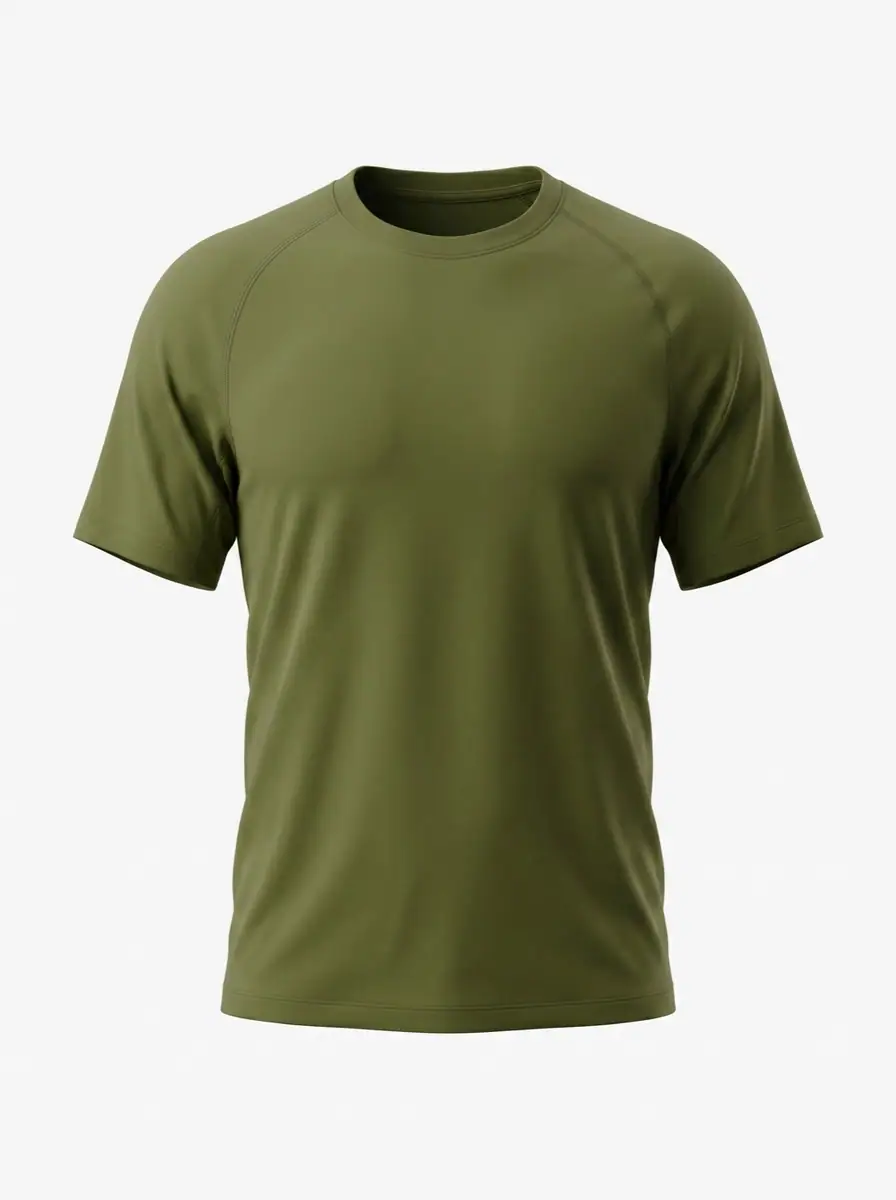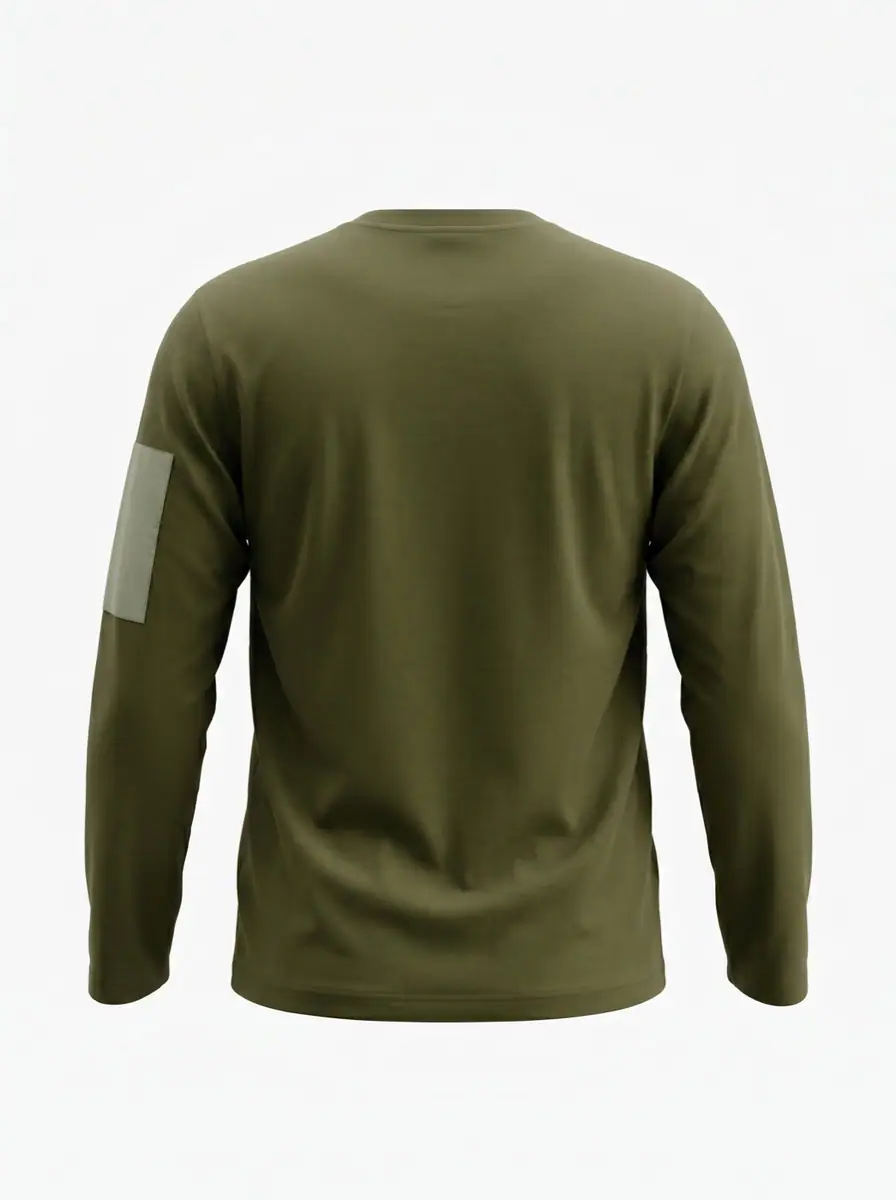
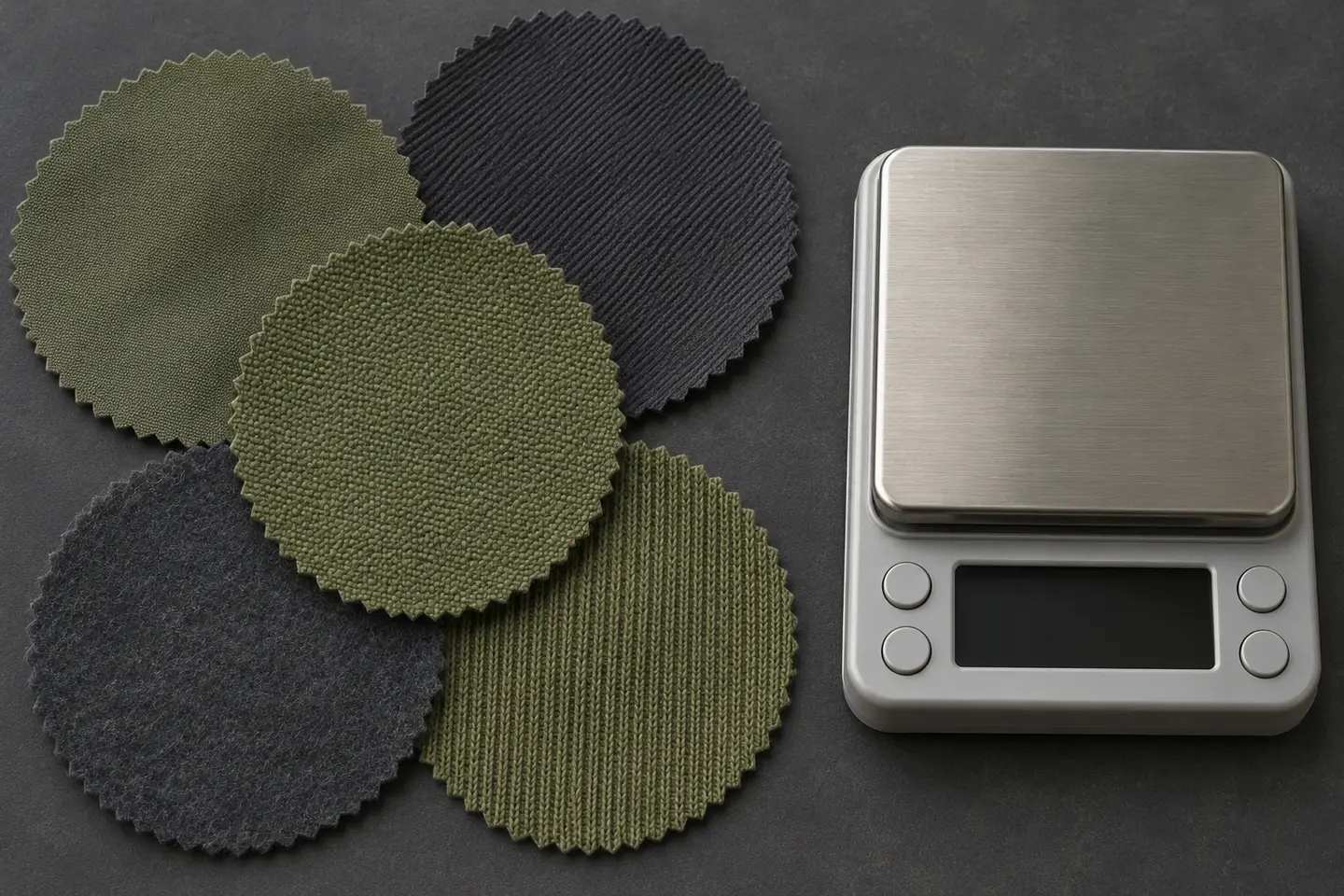
Specify fabric mass in grams per square metre (GSM) on the approved material. Agree how to sample delivered rolls and what to do when a result falls outside the limit. The image illustrates the concept.
Set the target for each material
Specify a target and tolerance for each fabric code and finish.
Identify the approved sample and the state in which fabric will be measured. Keep finished fabric separate from raw fabric, and specify shell and lining separately where relevant.
GSM describes mass per area. Agree separate requirements for stretch, cooling or warmth if these affect the intended garment.
Plan how to sample incoming rolls
Use the same measurement method and sample preparation at approval and receipt.
Agree sampling locations, how many rolls to check, whether to exclude edges and how to condition the specimens. ASTM D3776/D3776M covers fabric mass per unit area. Confirm the relevant edition and option with the buyer.
Record the roll and lot identifiers with individual results. One swatch represents the tested sample unless the agreed sampling plan supports a broader conclusion.
Hold variance before cutting
Segregate out-of-range rolls and record the release decision before use.
Recheck a questionable result under the agreed conditions. If the difference persists, review the fabric revision and decide whether to replace it or seek a written concession before cutting.
For a quote, send the intended use, fabric codes, target and tolerance, reference swatch, size quantities, sampling plan and report needs. Confirm pricing and timing for that scope.
Buyer brief checklist
- Fabric code, finish and approved swatch
- GSM target and tolerance per material
- Measurement option, specimen preparation and edge rule
- Roll IDs, sample locations and individual results
- Hold, retest and concession owner
- Quantities, report needs and quotation scope
Review our fabric inspection and in-house laboratory process ↗
Email the buyer specification to discuss evidence for your project ↗