Cold-weather clothing should be specified as a layering system. The correct base layer for active movement may differ from the garment needed during static duty, transport or recovery, so the brief must cover the full duty cycle.
Map activity, rest and climate transitions
The layer plan should follow the user's changing heat and moisture load.
Separate high-output movement, low-output work, static duty and rest periods in the brief.
Record wind exposure, precipitation risk, indoor-to-outdoor transitions and the outer layers that may restrict ventilation.
Make moisture management part of warmth
Warmth can deteriorate when perspiration remains close to the skin.
Define whether the garment is a next-to-skin base layer or a mid layer and review how it moves moisture into the wider clothing system.
Include wash care and repeated-use expectations because hand feel, fit and moisture behaviour must remain suitable after maintenance.
Choose coverage, fit and construction by task
Garment form should reflect the movement, equipment and protection required.
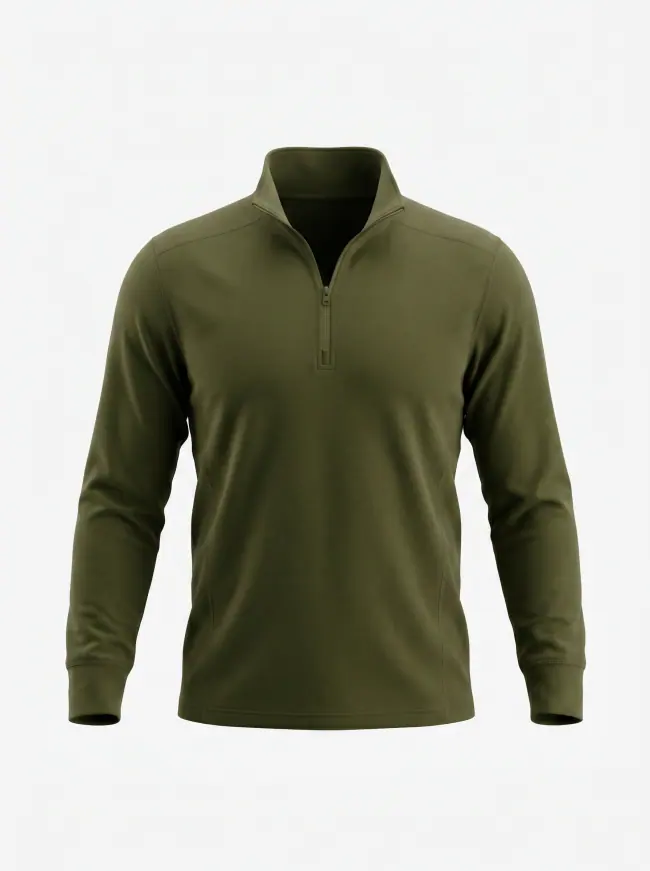
A coordinated top-and-bottom set supports continuous coverage; a long-sleeve utility layer may suit simpler daily use; a turtleneck adds neck coverage for wind-exposed training.
Confirm stretch, seam location, cuff and neckline construction, size grading and compatibility with outer garments during sampling.
Validate the layers together
Approve the combination the wearer will actually use, not isolated pieces only.
Review fit and mobility with the relevant outer garment or equipment when possible.
Record the approved materials, measurements, workmanship and buyer-defined evidence for each garment in the system.
Buyer brief checklist
- Minimum and maximum operating conditions
- Movement, static duty and recovery periods
- Base, mid and outer-layer responsibilities
- Moisture, wash and durability expectations
- Size grading and equipment compatibility
Products connected to this solution
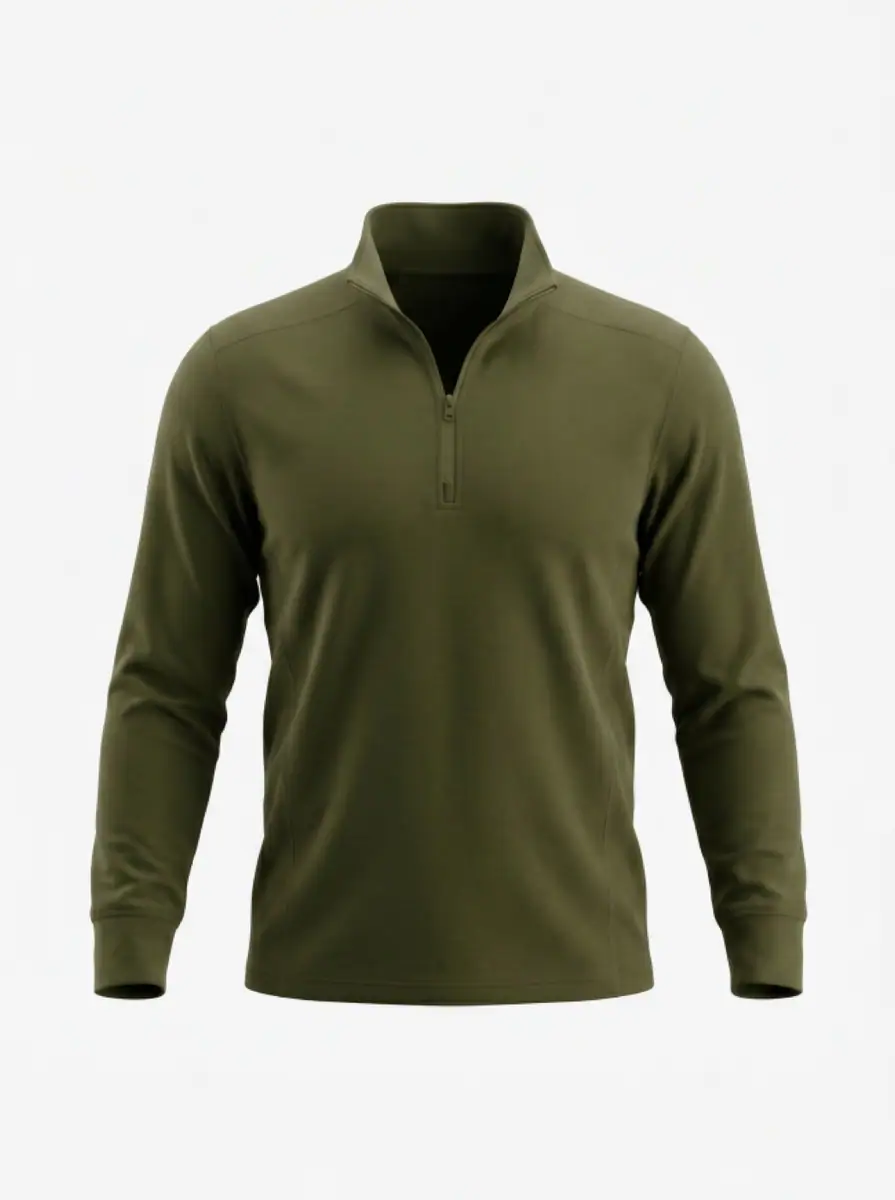 T1-FW001
Military Thermal Underwear Set
Coordinated top-and-bottom base layer for lightweight warmth, stretch and moisture management.
View product details ↗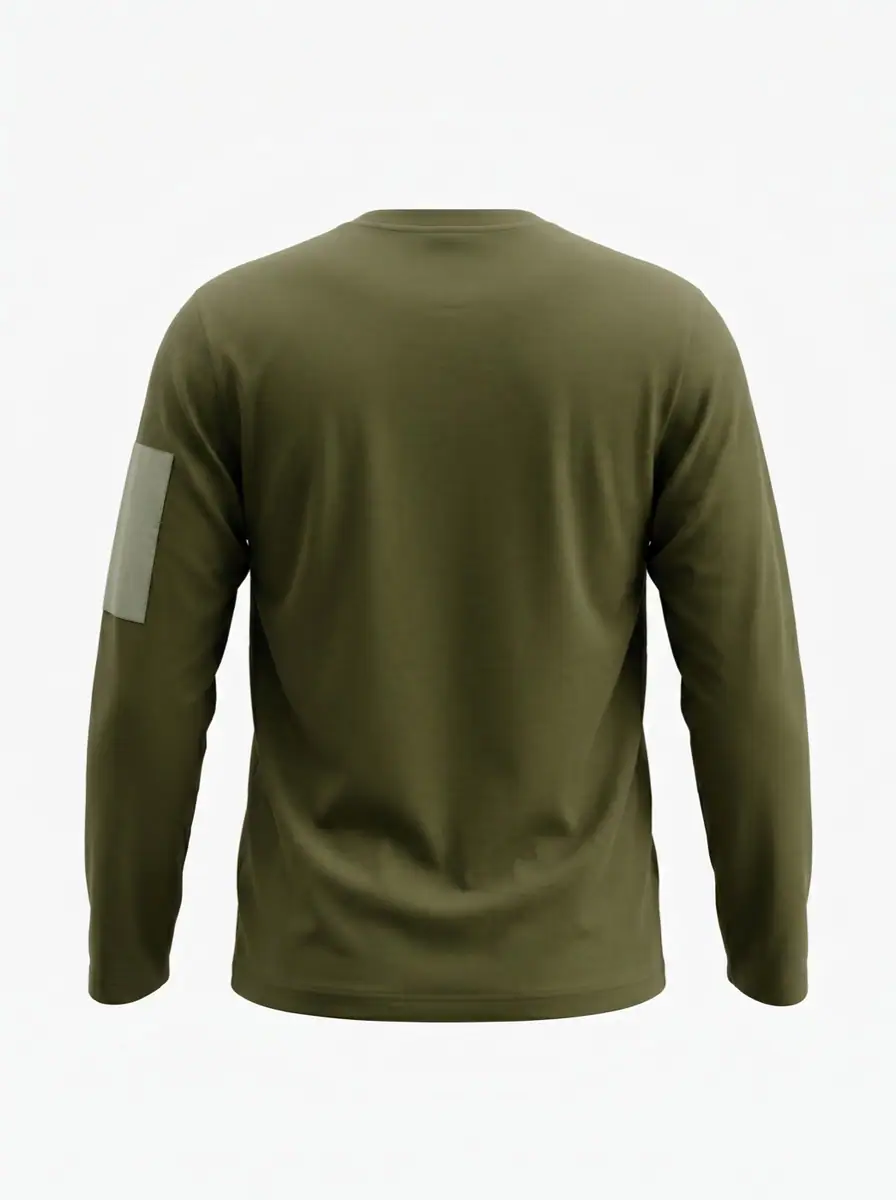 T1-FW003
Military Long-Sleeve T-Shirt
High-cotton utility layer with PCM support for training, field work and professional daily use.
View product details ↗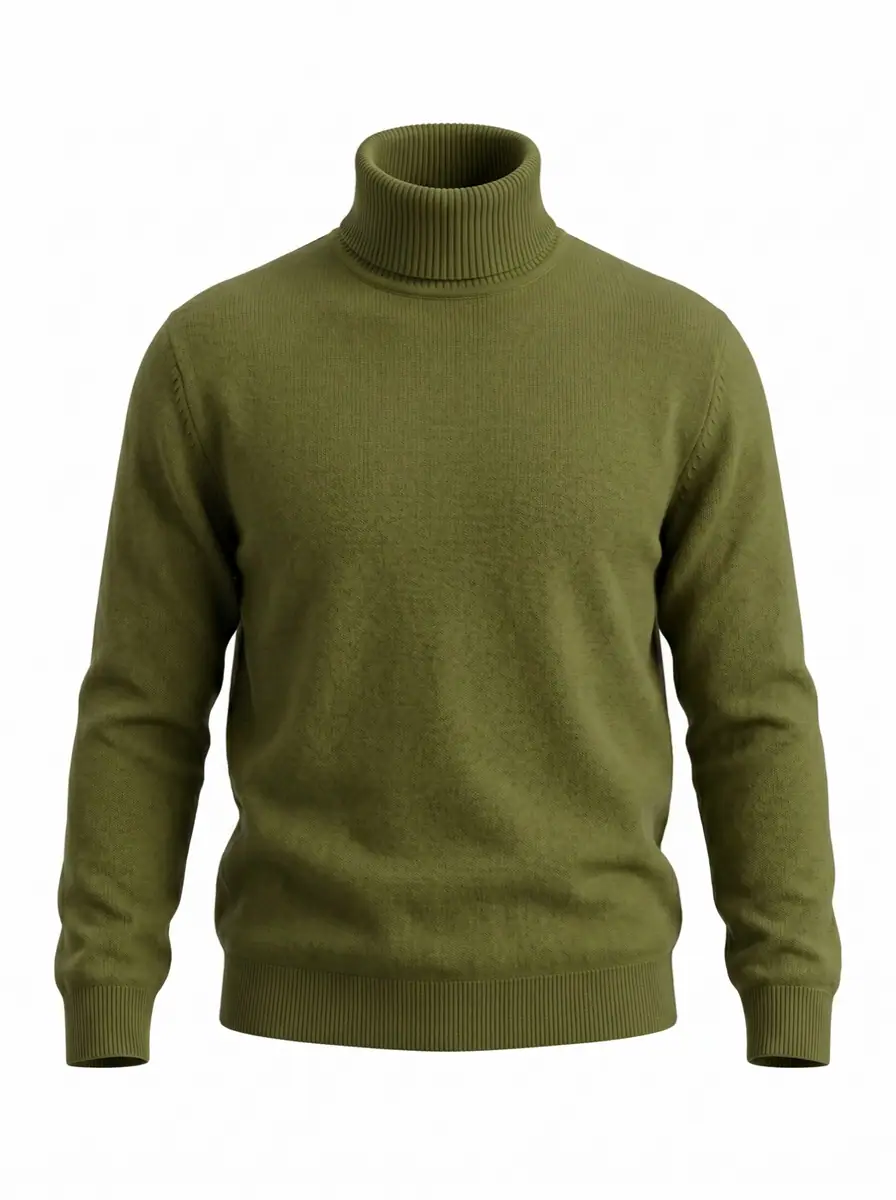 T1-FW004
Training Turtleneck Sweater
Unisex training turtleneck with a wind-protective neckline and durable yarn blend.
View product details ↗