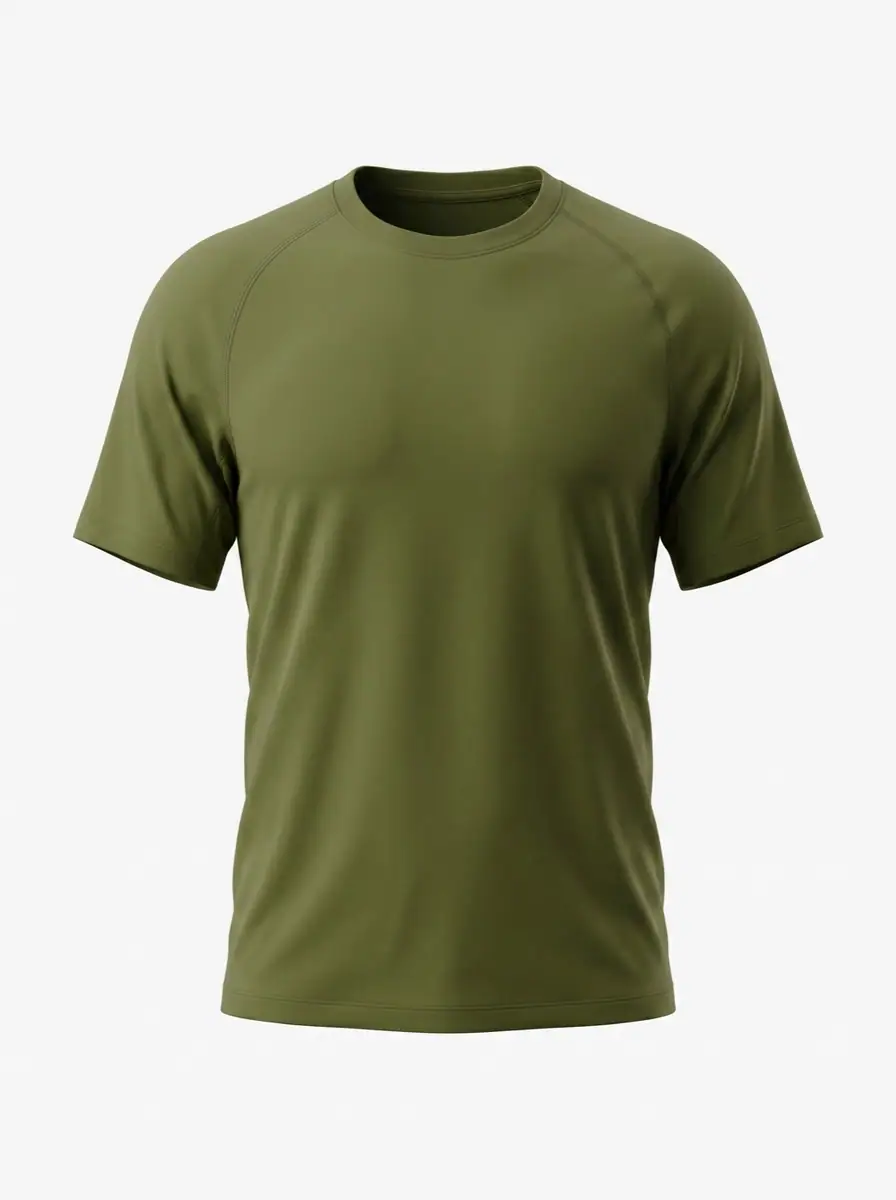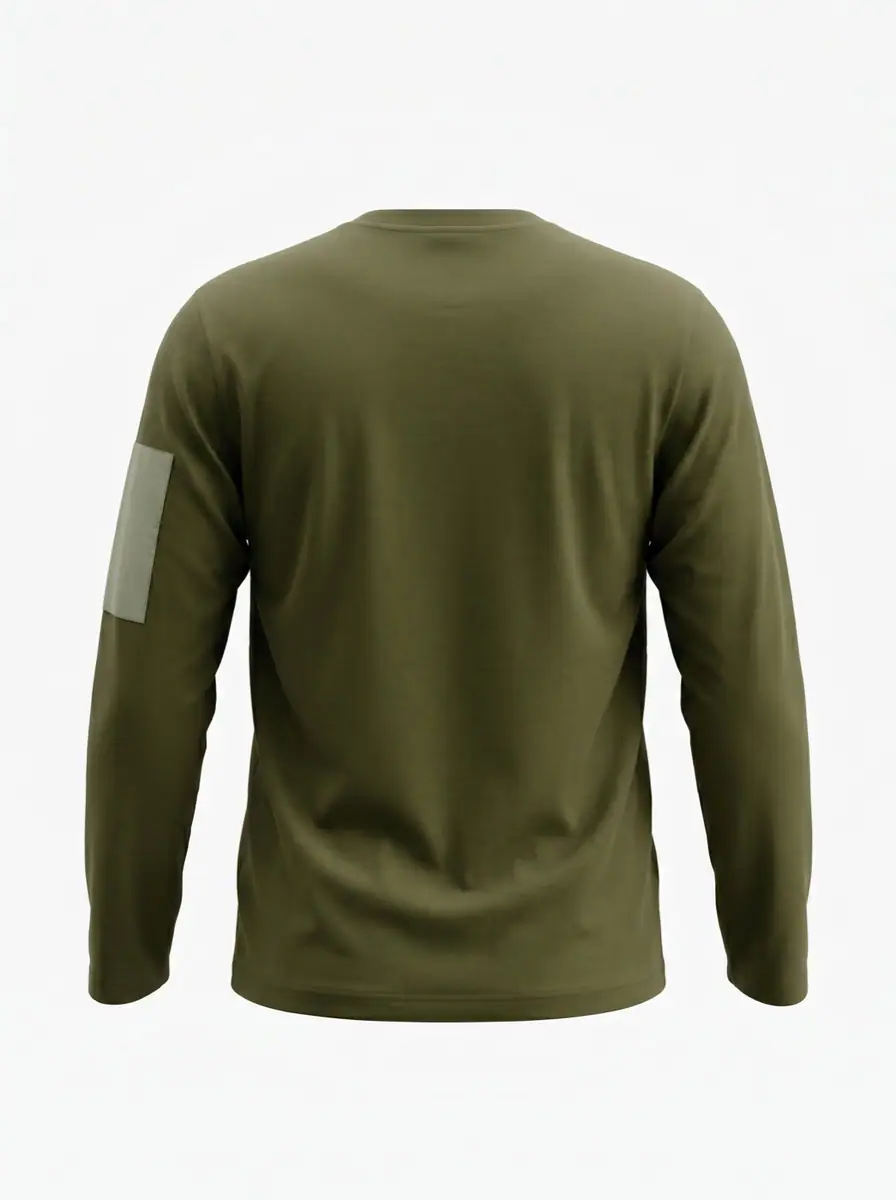
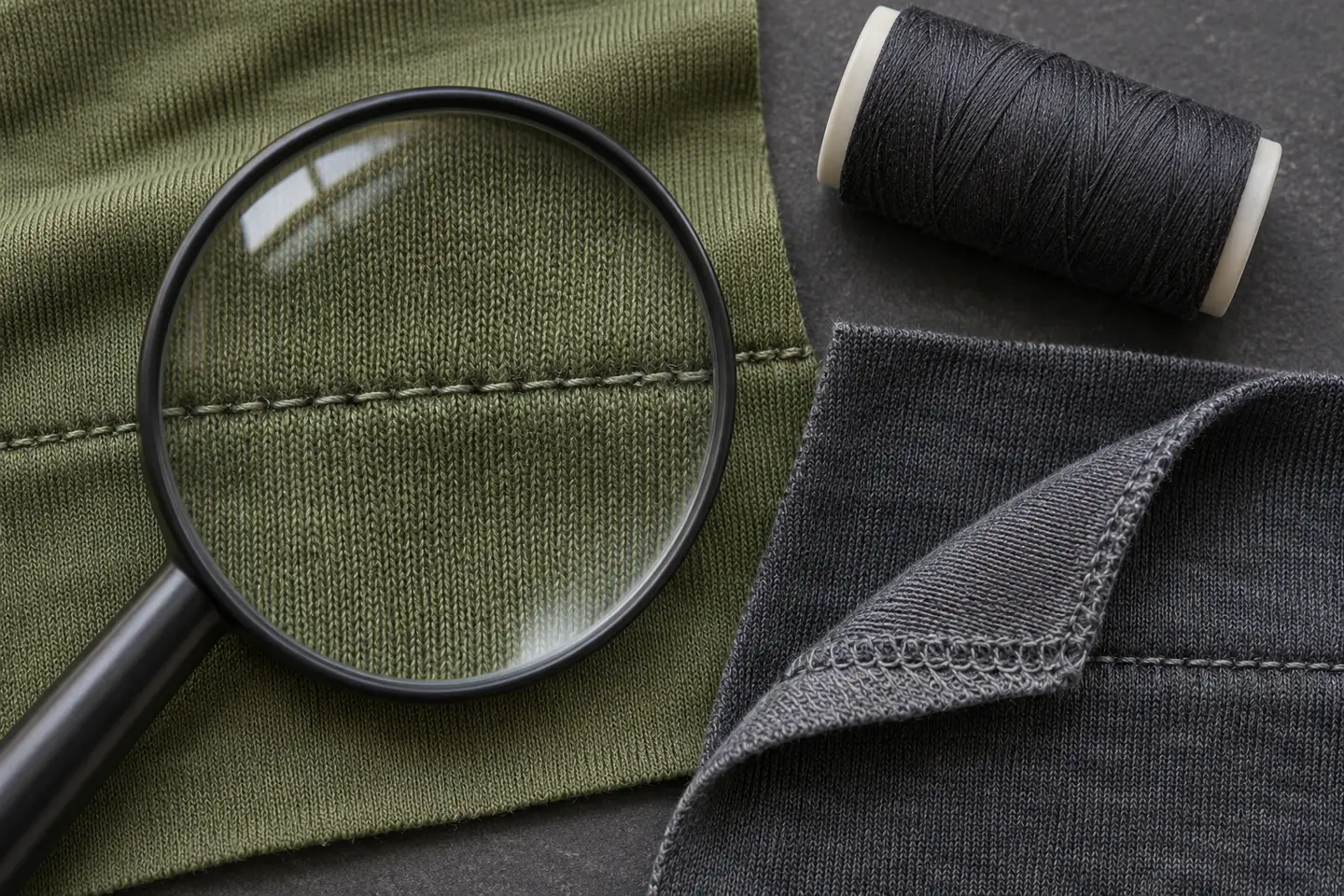
Ask for trial seams made from the intended bulk fabric. Check the fabric beside the stitch line as well as the stitches, because a seam can look even while the knit is damaged. The image is a concept, with no actual sample or test result shown.
Separate fabric damage from stitch defects
Inspect both faces of the seam for broken fabric yarns and holes as well as skipped stitches.
Compare the seam with unsewn fabric from the same lot. Note whether the marks repeat at needle penetrations or appear only on one layer or away from the stitch line.
Do not assign the cause from a photo alone. Ask the supplier to check the needle condition and selection as well as the feed and contact points of the sewing equipment.
Approve a seam sample from the actual construction
Use the intended fabric lot, layer stack and seam operation before accepting a production setting.
Include representative high-stretch areas and thick transitions. Record the seam operation, needle identification, thread and machine settings so the sample can be repeated.
Agree how to inspect the seam relaxed and at the intended extension. If laundering is relevant, compare before and after the agreed care process. Define rejection criteria and any separate seam performance tests with the buyer.
Hold suspect output before release
If defects recur, hold affected units and recheck a corrected trial before bulk sewing resumes.
Record the fabric lot, operation, affected quantity and defect positions. Retain an accepted seam and a clearly marked rejected example so the next inspection uses the same reference.
For the RFQ, send the style and use, fabric and stretch direction, seam drawings, size quantities, care route and evidence required. Confirm sample timing, cost and production conditions for that order.
Buyer brief checklist
- Fabric lot and unsewn comparison swatch
- Seam positions, layers and operation
- Needle, thread and equipment settings
- Relaxed, extended and after-care inspection conditions
- Acceptance criteria and separate performance tests
- Retained samples, hold decision and RFQ scope
Review our fabric inspection and in-house laboratory process ↗
Email the buyer specification to discuss evidence for your project ↗